Showing posts with label Start Birding Today. Show all posts

Monday, June 4, 2012

Start Birding Today: 13 Questions for Lee Dusing

(Painted Stork by Dan's Pix)

We hope that you have enjoyed Lee's series, Start Birding Today.  She has been attempting to show us that birding is something that anybody can do.  Whether you only look at the birds while you are driving or if you spend hours wandering through Circle B, you can enjoy the creativity of our great God.

As I have read through Lee's posts I have had a few questions that have come to my mind.  I thought I would ask them to Lee through a post so that you all can read her answers.

  1. When did you first start birding?
    I think I always enjoyed critters, but when we lived in Tamarac, FL there was a small park nearby that had a lake, trail and a naturalist that gave bird talks. Living in the Fort Lauderdale area, there were lots of birds to view.
  2. Did anyone teach you how to go birding?
    The naturalist became my friend and also became my mentor. She taught me about birdwatching from a one on one basis. 
  3. Do you run across people who see the diversity in the birds and still deny that an intelligent creator is behind it all? If so, what are their common arguments?
    Go to any birding club (Audubon) or a Birding Festival (Titusville) and you will hear all about natural selection and millions of years. You hear about how birds evolved from dinosaurs. Given enough time, they figure it all came about. 
  4. What is your favorite bird? You can only pick one :)
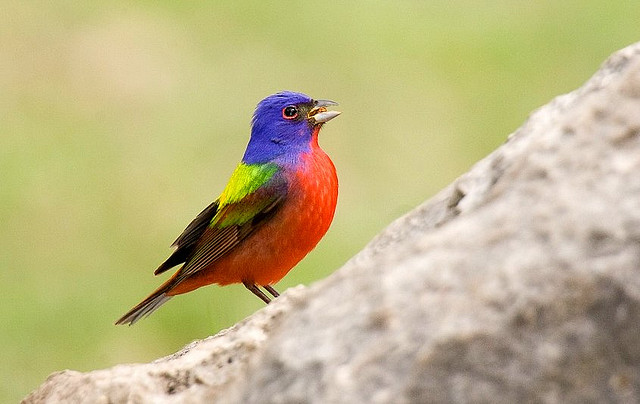
    That’s hard! It used to be the Painted Bunting, but now I have seen so many, I love them all. 
  5. Share with us two things you have learned about God through birdwatching.
    The Lord has such Omniscience that I am amazed when I see how He has provided specific beaks, for instance, for each bird to be able to eat what it likes. How He has created their shapes to live in the environment they do, Penguins versus Hummingbirds. Every bird was so provided for by the Lord when they were being designed.

    God’s Love is so great to the birds and His care about them overwhelms me. If He knows when a sparrow falls, then He knows not only the number of hairs on my head, but every need, desire, problems, etc. and still Loves Me! 
  6. Recently, Swans have been in the news. In Lakeland, someone has been stealing swan eggs from Lake Morton. Why are Swan eggs so valuable?
    I saw that article and had heard about it a few weeks earlier. Apparently there must be a trade for them somewhere. There are “poachers” all around the world that illegally take birds for collectors and some for their feathers or to eat. They just found out he took them to eat them.
    http://articles.orlandosentinel.com/2012-05-18/news/os-swan-eggs-stolen-scrambled-eaten-20120518_1_eggs-lakeland-report-states 
  7. When I think of birding, I am often overwhelmed. I hear you talk about 185 species that have been seen at Circle B and of the thousands of species worldwide. I can name maybe 10 or 15 different species of birds. What would you say to someone who feels birding is too overwhelming?
    Who says you have to name all the birds? If you can name 3 and enjoy the rest, why worry? (Do you know every name of the folks that come here to church? Does that stop you from coming or cause you to be overwhelmed?) 
  8. Tell us about the best birdwatching trip you have ever been on.
    Wow! They are all great, but as for in the wild, we won a birdwatching trip by Reinier Munguia (professional photographer) and he introduced us to Circle B (46 species seen), Lakes Morton (10 species) and Parker. He gave us birding tips and photography tips for Dan. We ended up feeding Florida Scrub Jays and Purple Gallinules at parks in Lakeland. We saw a total of 56 species that day.

    Best Zoo trip was to the National Aviary in Pittsburg, PA about 2 years ago. We were taken by staff all over the place and behind the scenes. 
  9. How many different birds are on your life list?
    My official Life List has 235 species, but that does not count the birds that I have seen in Zoos, which you can’t count by some, but I still saw the birds. My Unofficial Life List is around 400. I have also seen many more birds that I could not name. 
  10. Is there any other animal that you know of that has the wide variety and diversity of birds? Why do you think this is?
    I can’t think of any animals, maybe insects. I think birds are so varied because each one has a role to fill whether it is pollinating flowers by Hummingbirds and others, or picking bugs off of animals like an Oxpecker, or cleaning up garbage like Vultures and Buzzards. The list goes on and on. They can fly so they have spread around the world and they are obeying the Lord's command to reproduce and fill the earth. 
  11. What do you hope is the result of this series of posts?
    I hope that this series has motivated an interest and an awareness of the birds and that they will take opportunities to watch the Lord’s fantastically created birds. And maybe, we might have some more to go out birding with us. I am not an expert, but I am willing to share what I have learned from others and Dan is willing to share photography tips.
  12. Do you ever take people along with you on your birdwatching trips and teach them the tricks of the trade?
    I have taken a few and am thinking that we need to plan a “Start Birding Today” trip soon. We could meet and start simple and go from there. 
  13. How can someone contact you if they have questions about birding?
    Call us, number in church directory or e-mail me at Lee (at) leesbird.com.

Painted Bunting
Other Posts in our Start Birding today Series:


This Post Sponsored by:


Monday, May 28, 2012

Start Birding Today: Enjoy The Lord's Paintbrush - Zoos

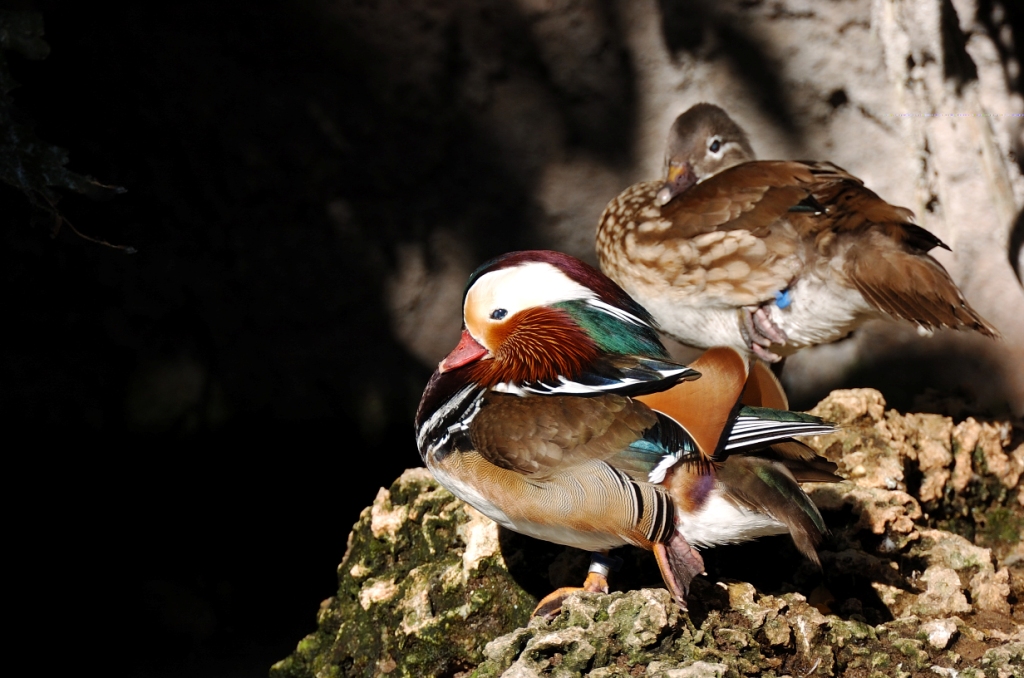
Mandarin Duck (Aix galericulata) by Dan at Zoo Miami
I trust you are enjoying our "Start Birding Today!" series. We have been trying to motivate you to go out and observe the many birds around you. This is the second article about "Enjoying The Lord's Paintbrush" Click for first one. Seeing as our subtitle is "Birdwatching from a Christian Perspective," I want to do a few articles that you won't see in most birding books. We believe that the world and all that its critters were created by the Lord and not evolved.
For thus says the Lord--Who created the heavens, God Himself, Who formed the earth and made it, Who established it and did not create it to be a worthless waste; He formed it to be inhabited--I am the Lord, and there is no one else. (Isaiah 45:18 AMP) O LORD, how manifold are Your works! In wisdom You have made them all. The earth is full of Your possessions— (Psalms 104:24 NKJV) Have you not known? Have you not heard? The everlasting God, the LORD, The Creator of the ends of the earth, Neither faints nor is weary. His understanding is unsearchable. (Isaiah 40:28 NKJV)
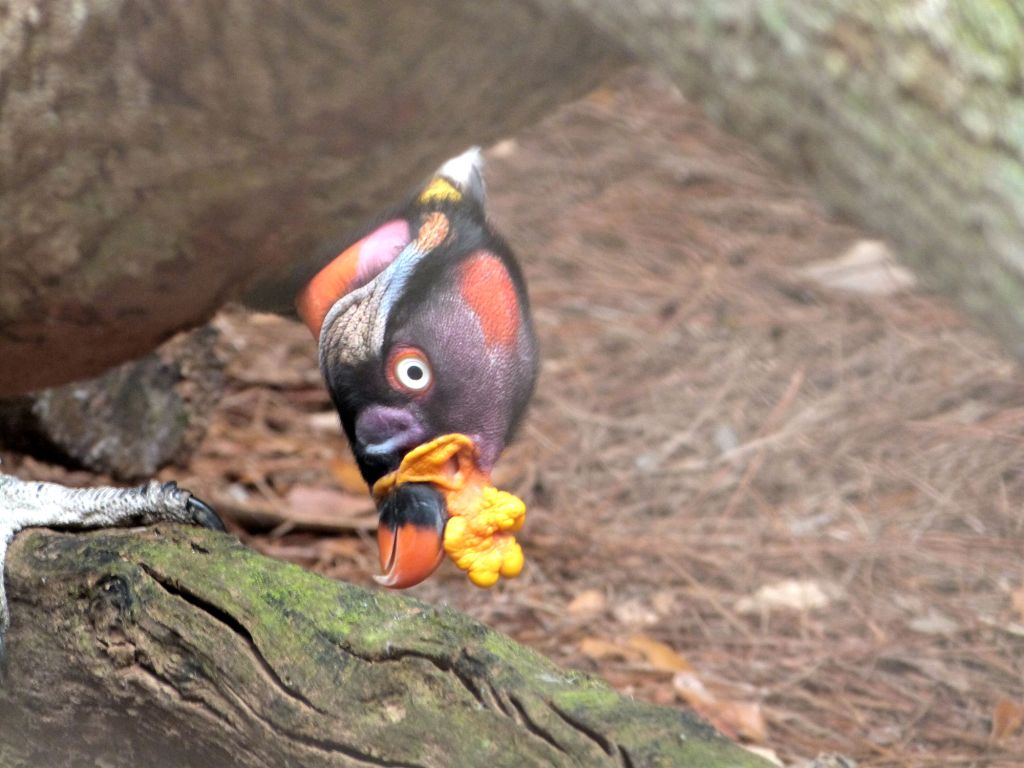
King Vulture (Sarcoramphus papa) by Lee at Brevard Zoo
King Vulture (Sarcoramphus papa) by Lee at Brevard Zoo 
While creating the birds, the Lord has used a fantastic array of colors and designs. I can imagine Him using a fine brush when some of my favorite birds here in America were being dressed for "His pleasure." Zoos are a fantastic place to see birds that you would have to travel to other countries to see. It is more economical to travel to a Zoo nearby.

The birds at zoos are well cared for and many are being bred to preserve their species. Some birds are so endangered by loss of habitat and other causes, that the only birds left are the ones in the zoos or preserves. We are fortunate to have some very super zoos right here within a day's drive and our country has many others that are first class also. The birds seen here in this article are some of the fantastically painted birds created by the Lord that Dan and I have seen in Zoos.

Look at the Mandarin Duck at the top. He is related to the Wood Duck up there last week. Another beautiful bird that likes to hide and make it difficult to get a good photo of him. The male is the colorful one and the female is a plain brownish to protect her while on the nest. She is in the background and you can see her painted eyelines.

 Now if you have an ugly vulture and want to pretty it up, look at this design on the head of a King Vulture. 

King Vulture (Sarcoramphus papa) by Lee at Brevard Zoo
King Vulture (Sarcoramphus papa) by Lee at Brevard Zoo 
Here are a few more beauties by their Creator: How about these feathers on the Scarlet Macaw? 
Scarlet Macaw (Ara macao) Feathers - Brevard Zoo
Scarlet Macaw (Ara macao) by Lee Brevard Zoo
Or the gorgeous Blue-and-yellow Macaw?

Blue-and-yellow Macaw (Ara ararauna) at Brevard Zoo
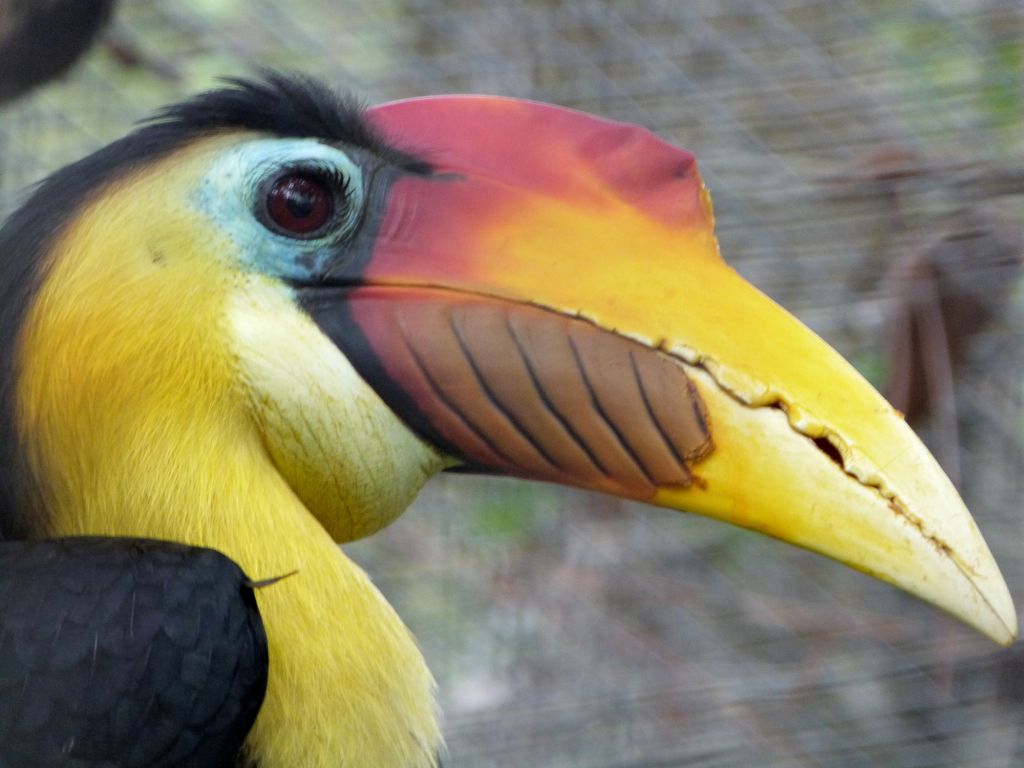
My favorite "painted" bird at the Brevard Zoo was this one:

Wrinkled Hornbill (Aceros corrugatus) Brevard Zoo by Lee
Wrinkled Hornbill (Aceros corrugatus) Brevard Zoo by Lee 
Wow!!!

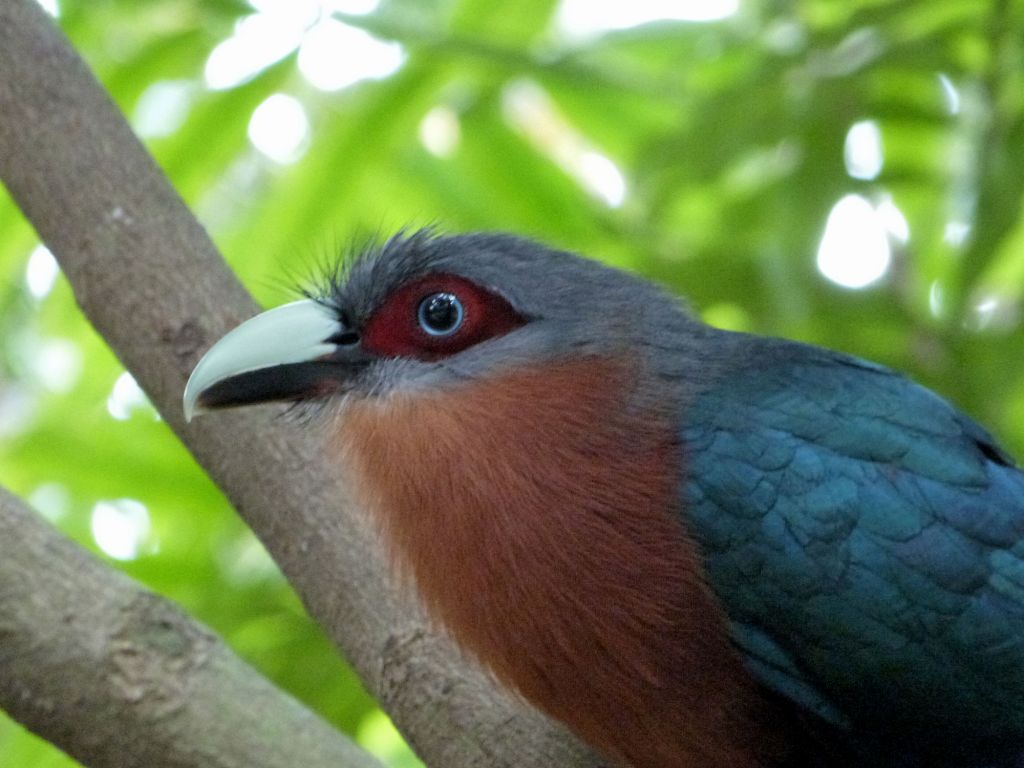
 Down in Miami at the Wings of Asia aviary at Zoo Miami we were able to see these beautiful birds:

Chestnut-breasted Cuckoo (Cacomantis castaneiventris) Wings of Asia
Chestnut-breasted Cuckoo (Cacomantis castaneiventris) Wings of Asia 
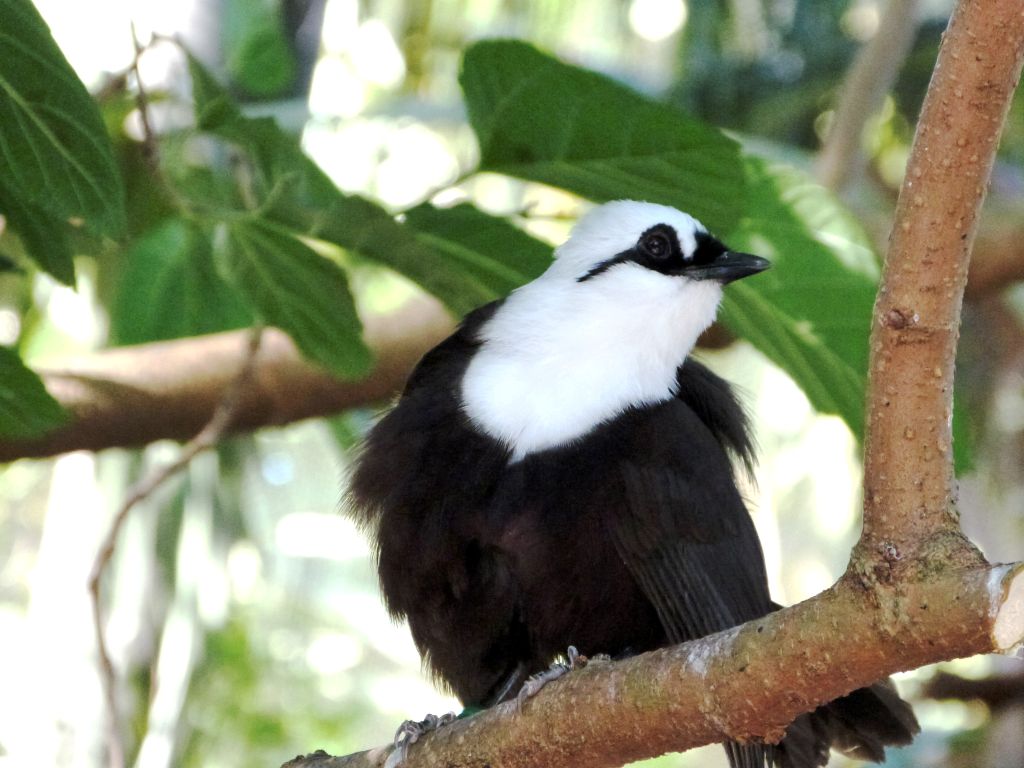
Or this cool bird which I call "Joe Cool." Looks like the Lord painted sunglasses on it.

(Black and White) Sumatran Laughingthrush (Garrulax bicolor) by Lee
 (Black and White) Sumatran Laughingthrush (Garrulax bicolor) by Lee 
An Inca Tern seen at the National Aviary in Pittsburgh, PA:
Inca Tern by Dan at National Aviary
 Inca Tern by Dan at National Aviary
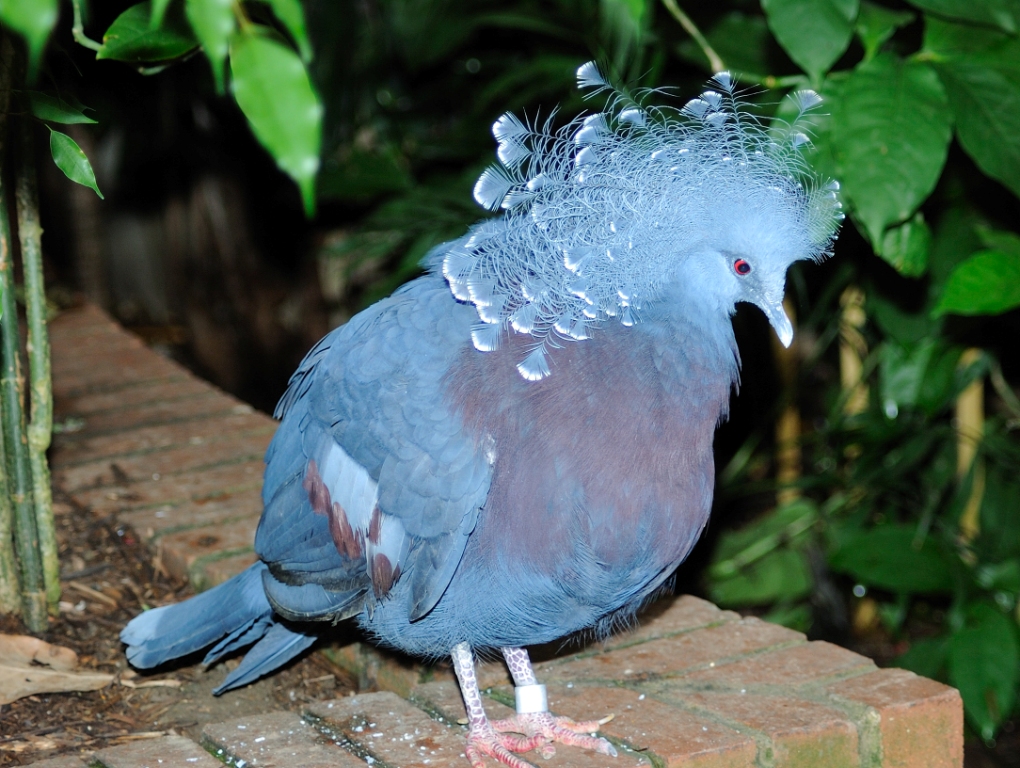
This Victorian-crowned Pigeon is at most of the zoos we have visited. They look like lace was placed on its head.
Victoria Crowned Pigeon by Dan at National Aviary
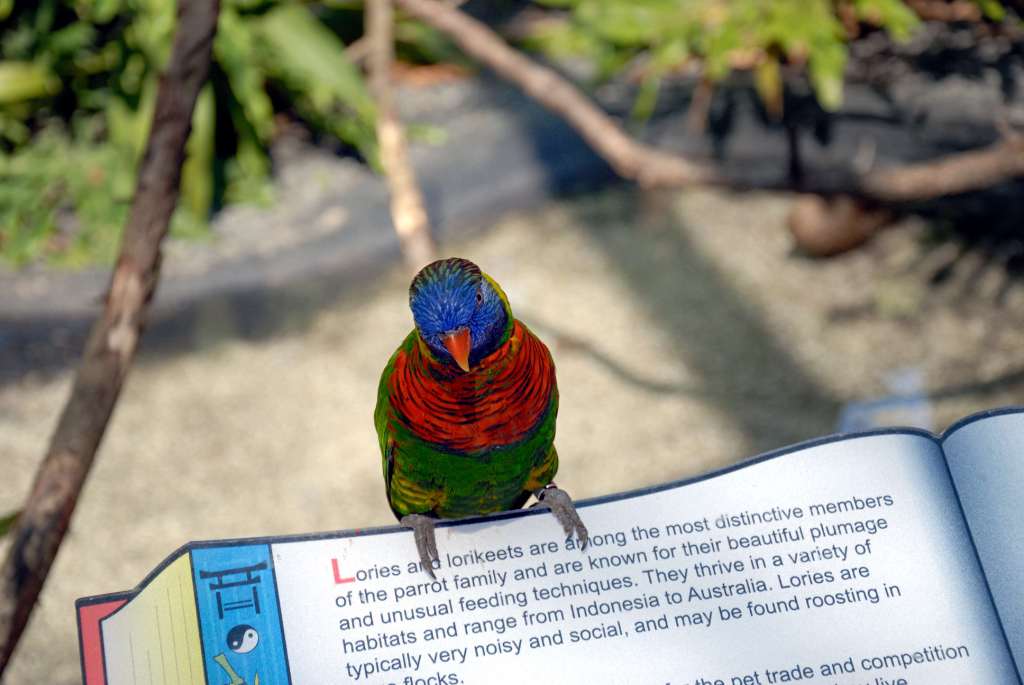
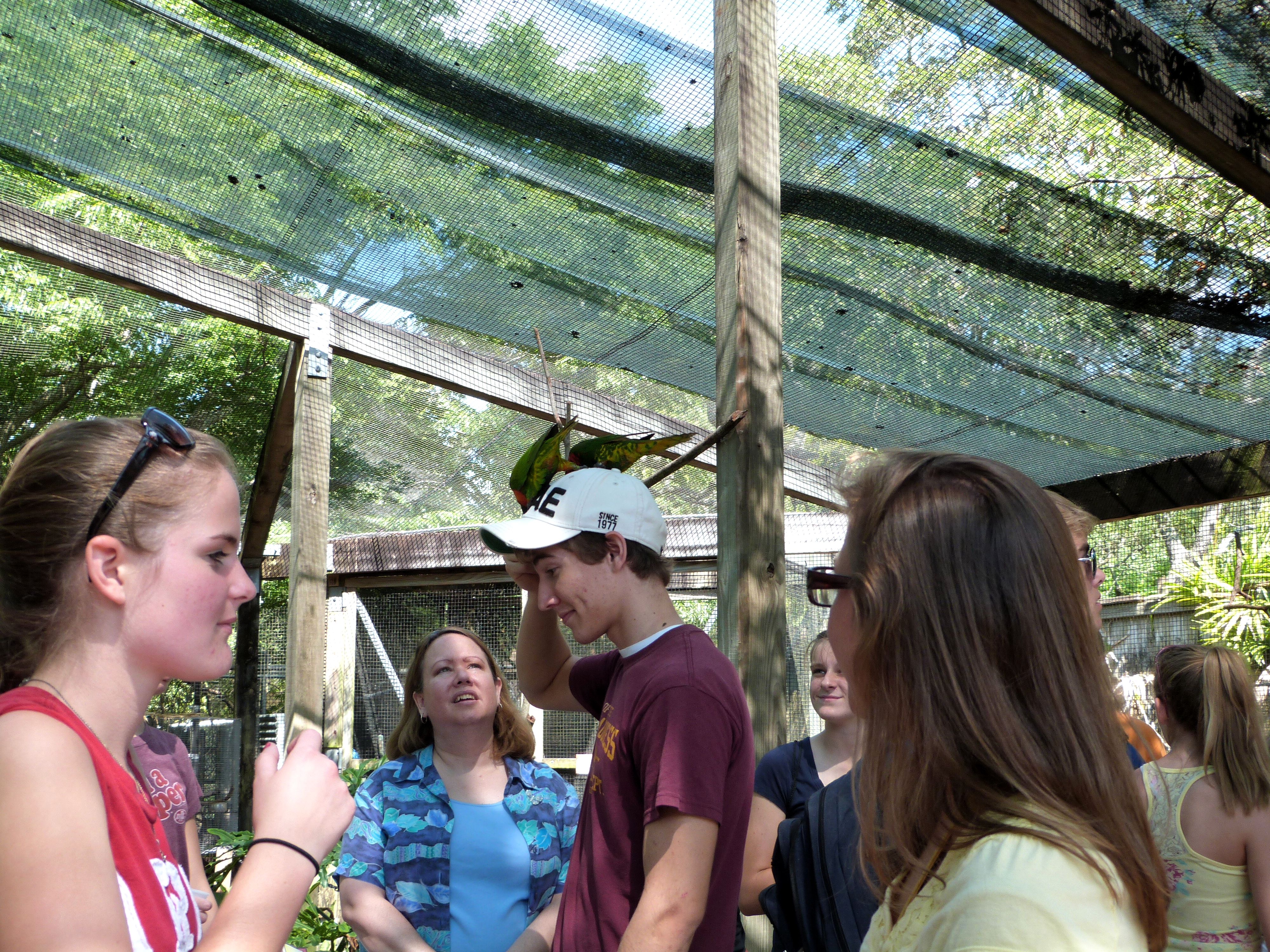
Back here locally to the Lowry Park Zoo in Tampa, there are many birds to enjoy. We met a group of Homeschoolers over there on Friday and had the pleasure of introducing them to my avian friends there. They enjoyed all of them, but had the most fun feeding the beautiful Lorikeets.

Rainbow Lorikeets at Lowry Park Zoo
Homeschoolers at Lowry Park Zoo
Rainbow Lorikeet at Lowry Pk Zoo by Dan

Homeschoolers at Lowry Park Zoo
There are many more that could be shown, but if you"Start Birdwatching Today" with a trip to a zoo or somewhere similiar, you might just be surprised by the beauty and magnificence of the birds. Then thank the Lord for His many blessings to us.
Oh, the depth of the riches both of the wisdom and knowledge of God! How unsearchable are His judgments and His ways past finding out! (Romans 11:33 NKJV)

Other Posts in our Start Birding today Series:

 
Support FBC simply by visiting Westminster Books

Monday, May 21, 2012

Start Birding Today: Enjoy The Lord's Paintbrush - U.S.

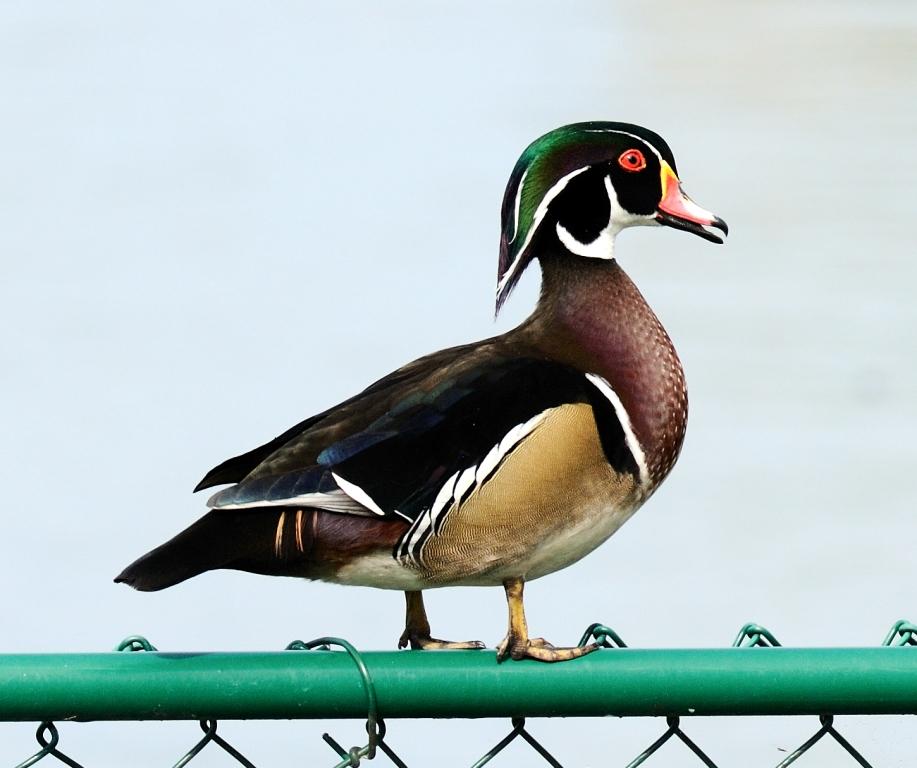
Wood Duck by Dan at Lake Hollingsworth
I trust you are enjoying our "Start Birding Today!" series. We have been trying to motivate you to go out and observe the many birds around you. Seeing as our subtitle is "Birdwatching from a Christian Perspective," I want to do a few articles that you won't see in most birding books. We believe that the world and all that its critters were created by the Lord and not evolved.
For thus says the Lord--Who created the heavens, God Himself, Who formed the earth and made it, Who established it and did not create it to be a worthless waste; He formed it to be inhabited--I am the Lord, and there is no one else. (Isaiah 45:18 AMP)
O LORD, how manifold are Your works! In wisdom You have made them all. The earth is full of Your possessions— (Psalms 104:24 NKJV)
Have you not known? Have you not heard? The everlasting God, the LORD, The Creator of the ends of the earth, Neither faints nor is weary. His understanding is unsearchable. (Isaiah 40:28 NKJV)
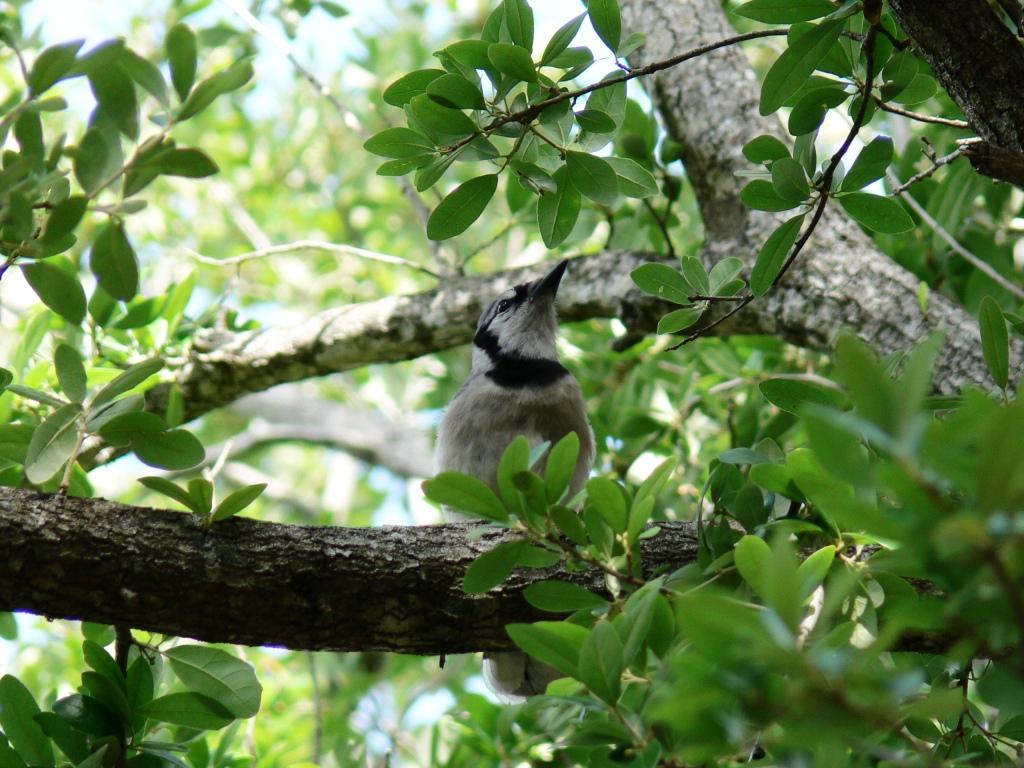
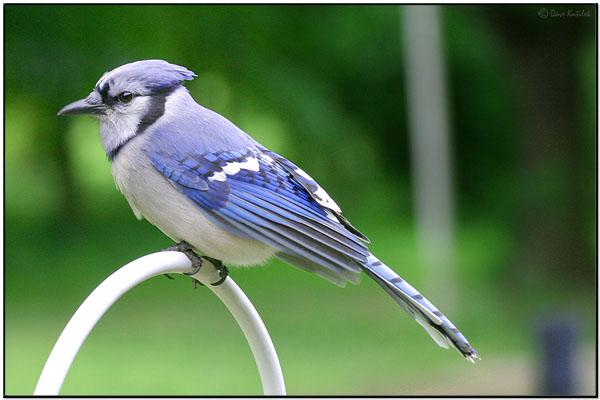
Blue Jay (Cyanocitta cristata) by Daves BirdingPix
While creating the birds, the Lord has used a fantastic array of colors and designs. I can imagine Him using a fine brush when some of my favorite birds here in America were being dressed for "His pleasure." Look at this Blue Jay, seen in most parts of our country or his cousins out west. Can't you just imagine a painter or artist putting the colors and marks on him?

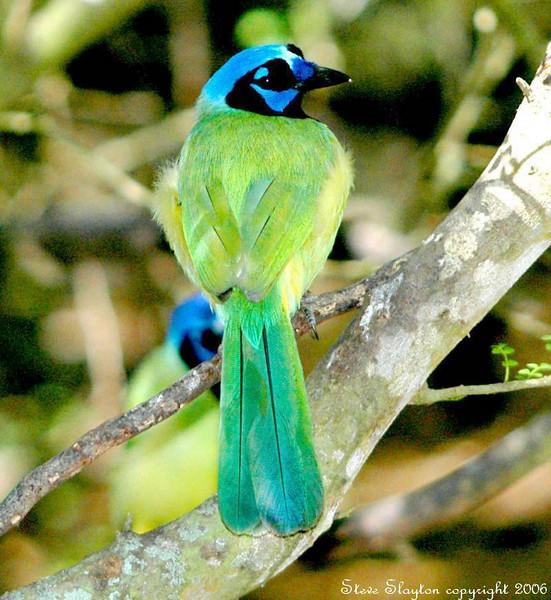
His cousin the Green Jay from down in the valley of Texas. 


Green Jay (Cyanocorax luxuosus) by S Slayton
Or, how about a Painted Bunting that looks like He just took a little dab of this and a little dab of that? 

Painted Bunting (Passerina ciris) ©©Flickr
 The Northern Flicker

Northern Flicker (Colaptes auratus) Red-shafted ©WikiC
Northern Flicker (Colaptes auratus) Red-shafted ©WikiC 
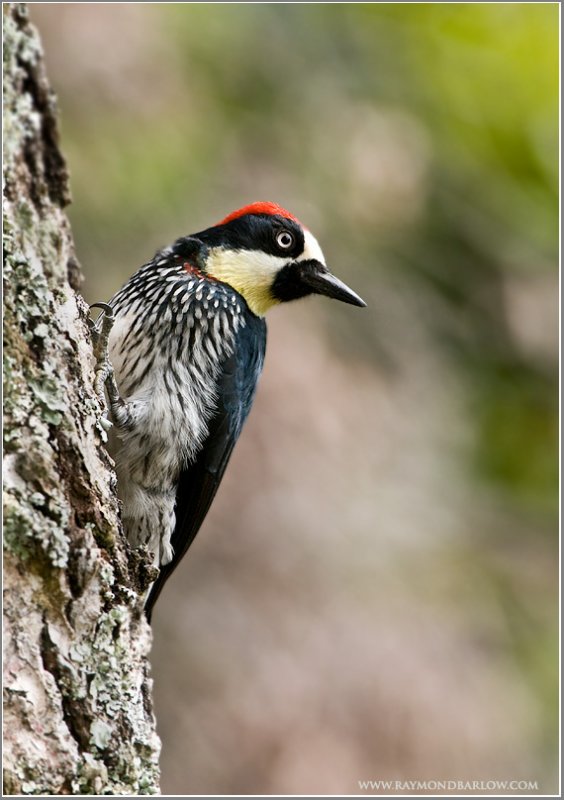
and its cousin the Acorn Woodpecker.

Acorn Woodpecker (Melanerpes formicivorus) (3) by Raymond Barlow
Acorn Woodpecker (Melanerpes formicivorus) by Raymond Barlow 
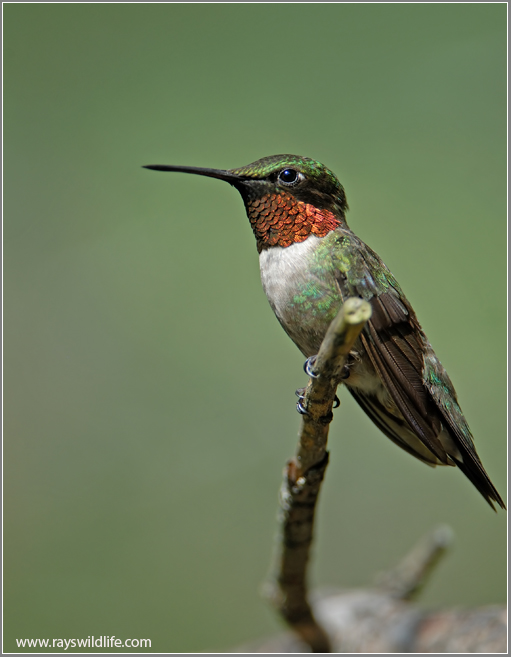
Tiny birds that have iridescent colors like our Hummingbirds just glisten when the light shines on them the right way.

Our eastern Ruby-throated Hummingbird

Ruby-throated Hummingbird by Ray's Wildlife
 and the western Magnificent Hummingbird.

Magnificent Hummingbird (Eugenes fulgens) by Judd Patterson
Magnificent Hummingbird (Eugenes fulgens) by Judd Patterson 
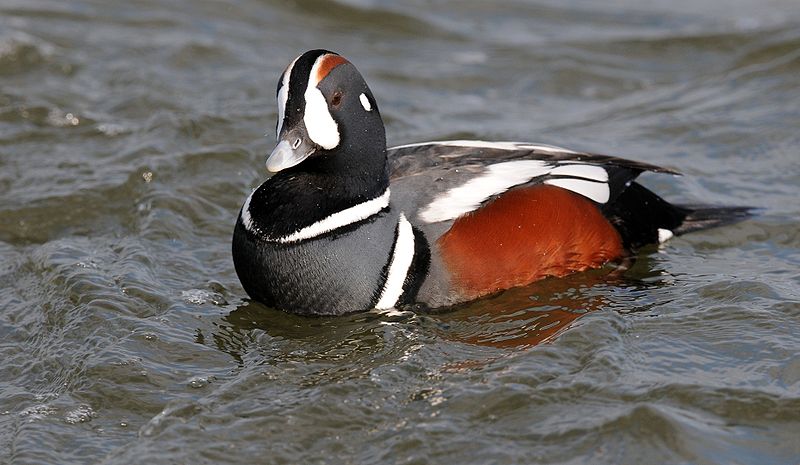
Do you see a designer and a painter at work? My favorite one of all is the Wood Duck at the top. Dan took that at Lake Morton in Lakeland. (It really is a live duck, not a painting.)  Those fine lines are just awesome to me. They actually have a cousin that hangs out more on the western side of America. It is the Harlequin Duck.

Harlequin Duck (Histrionicus histrionicus) ©WikiC
There are many more that could be shown, but if you"Start Birdwatching Today" they may just pass by for you to take a look. Then thank the Lord for His many blessings to us.
Oh, the depth of the riches both of the wisdom and knowledge of God! How unsearchable are His judgments and His ways past finding out! (Romans 11:33 NKJV)

Other Posts in our Start Birding today Series:


This Post Sponsored by:


Monday, May 14, 2012

Start Birding Today: What Is The Sound?


Birds are very vocal at times and they give us a great clue as to what bird it is. Eventually as you become better in your birdwatching adventures, it will help to learn some of their sounds and noises.

As you are observing birds that are singing or calling, you can learn to associate that sound to that bird. That is the beginning and it is almost automatic. When you hear a bird, but do not see it, then you will either recall one you have seen and be able to ID it, or you can start studying the sounds so the next time you can know what the unseen bird is.

There are several methods that birders use. Audio CDs and computer programs have Bird sounds along with photos of the bird to assist your learning.

The Internet has places like the WhatBird, All About Birds, Birding by Ear Basics,

Here is an interesting video about blind people birding by ear. Very interesting.


[youtube=http://youtu.be/ZIxElCuaNgg]

Here are some of the birds you may already know. These are local birds here, but also seen around other parts of the country. Also a very nice verse to remember while "birding by sound." I used this verse when taking my General Amateur License test that was all Morse Code. It helped calm my heart even though it refers to the Lord hearing us, but it helped me to hear those dots and dashes. (Only 8 of 115 of us passed the test that day.)

LORD, thou hast heard the desire of the humble: thou wilt prepare their heart, thou wilt cause thine ear to hear: (Psalms 10:17 KJV)

All of these sounds are coming from the Xeno-canto.org website.

Blue Jay in tree at Hampton Pines
Click for the sound of a Blue Jay


Northern Cardinal (Cardinalis cardinalis) by Daves BirdingPix 
Click for the sound of a Northern Cardinal

Boat-tailed Grackle (Quiscalus major) at Lake Howard, Winter Haven, Florida By Dan'sPix 
Click for the sound of a Boat-tailed Grackle

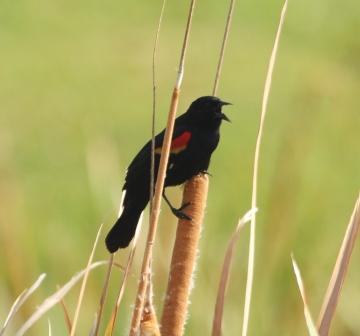
Red-winged Blackbird at Bok Sanctuary
Red-winged Blackbird at Bok Sanctuary 
Click for the sound of a Red-winged Blackbird

Whip-poor-will (Caprimulgus vociferus) by BirdsInFocus
Whip-poor-will (Caprimulgus vociferus) by BirdsInFocus 
Click for the sound of a Eastern Whip-poor-will

Great Horned Owl - Lowry Pk Zoo by Lee
Click for the sound of a Great Horned Owl

How many did you all ready know?

Some like to put words to their sounds like these from Birding By Ear -- Bird Song Identification

Listen here to a few bird songs and calls that have good mnemonic phrases:
Eastern Towhee -- "Drink your tea-ea-ea"
Whip-poor-will -- The name says it all.
Black-capped chickadee -- Some music and talk first, then the "Chick-a-dee-dee-dee"
White throated sparrow -- "Poor Sam Peabody, Peabody, Peabody"
Black-throated green warbler -- "Zee zee zee zoo zee"
Barred Owl -- "Who cooks for you, who cooks for you all"

Links:
Birding By Ear -- Bird Song Identification
WhatBird
All About Birds
Birding by Ear Basics

Other Posts in our Start Birding today Series:


This Post Sponsored by:
Monday, May 7, 2012

Start Birding Today: When Should I Go? (by Lee Dusing)

Wood Storks in Trees in Fog at Circle B
Wood Storks in Trees in Fog at Circle
Start Birding Today: When Should I Go?

You can go birdwatching anytime, but you may or may not find many birds. There are benefits of finding out when the birds you are looking for is out and about. In the beginning stages of birding, you just want to find birds, right?
The flowers appear on the earth; The time of singing has come, And the voice of the turtledove Is heard in our land. (Song of Solomon 2:12 NKJV)
To start, most birds are active in the morning. Many around sunrise are getting up and are hungry from resting all night. Just like us, they need some "breakfast." They start stretching, singing, searching for a meal. Give or take around 11:00 am they are resting or starting to settle down for most of the afternoon. Then around 3 or 4, depending on the time of the year, they start looking for a snack or meal before they again settle in for the night.

If you have feeders in your yard, the same is true. The morning and for a few hours before dark will be your most active times to see the birds.

Birds that roost together as a flock start heading to their night-time hangout. For instance, locally at Circle B Bar Reserve, the Herons, Egrets, Wood Storks, Ibises and White Pelicans (during winter) come back in to rest for the night. One of my neatest experiences was when the White Pelicans started arriving at Circle B around 4:45 pm for the night. (Ignore my crazy talk, I was just flabbergasted!)

If you like to see Owls, Nighthawks, Whip-poor-wills, and the other night birds, then, they are quiet in the daytime, but come out to "hoot" and "holler" right around dark and throughout the night. They start settling down around dawn.

Weather is a big factor also in when to go. Fog makes it hard. Windy days will cause the many birds to stay low. It is as if they are "grounded." Rain of course makes it rough on you to go out and watch and they are seeking shelter which can make them harder to observe. They are out there and they still get hungry. Also, down here in the winter, we get lots of visiting birds and that is a good time of the year to watch our feathered friends.

Mom and Baby at Lake Hollingsworth
"Many birdwatchers occupy themselves with observing local species (birding in their "local patch", but may also make specific trips to observe birds in other locales. The most active times of the year for birding in temperate zones are during the spring or fall migrations when the greatest variety of birds may be seen. On these occasions, large numbers of birds travel north or south to wintering or nesting locations. Early mornings are typically better as the birds are more active and vocal making them easier to spot.

Weather plays an important role in the occurrence of rare birds. In Britain, suitable wind conditions may lead to drift migration, and an influx of birds from the east. In North America, birds caught in the tail-end of a hurricane may be blown inland." (Wikipedia) This is not an in-depth study, just some of my tips to get you started in your birdwatching adventure. Trust you are enjoying our series, Start Birding Today.

Links:
 
Other Posts in our Start Birding today Series:


This Post Sponsored by:


Monday, April 30, 2012

Start Birding Today: What Kind of Bird is This? (by Lee Dusing)

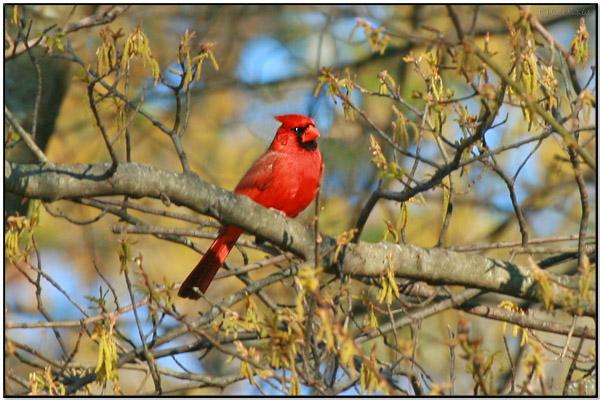
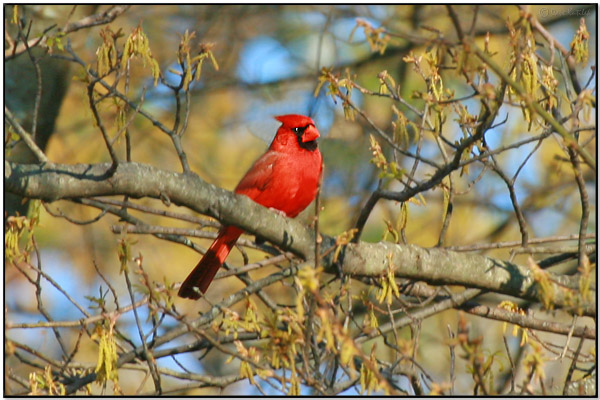
Northern Cardinal (Cardinalis cardinalis) by Daves BirdingPix
Northern Cardinal (Cardinalis cardinalis) by Daves BirdingPix 
What kind of birds is this? Are you kidding, Stephen, that is a wide open question? If you have been following this "Start Birding Today" series you know that Stephen, our Assistant to the Pastor, asked me to do some new articles about birding for our church blog, The Fountain. He came up with the titles and I am writing the articles. This one can go so many directions and involves more effort than our previous blogs, for me and the readers. Now we are getting into the "heart" of birding or birdwatching.

I have been encouraging you to become aware of the birds around you and to take notes about them. This is where all birders begin to learn about the birds. When you go out birdwatching it is nice to go with someone who has been birding for awhile. They can tell you the bird's name and something about it. Even those of us who have been doing it awhile don't know every bird. Being by yourself or just seeing one out your window brings you to this question, "What kind of bird is this? So, what do you do?

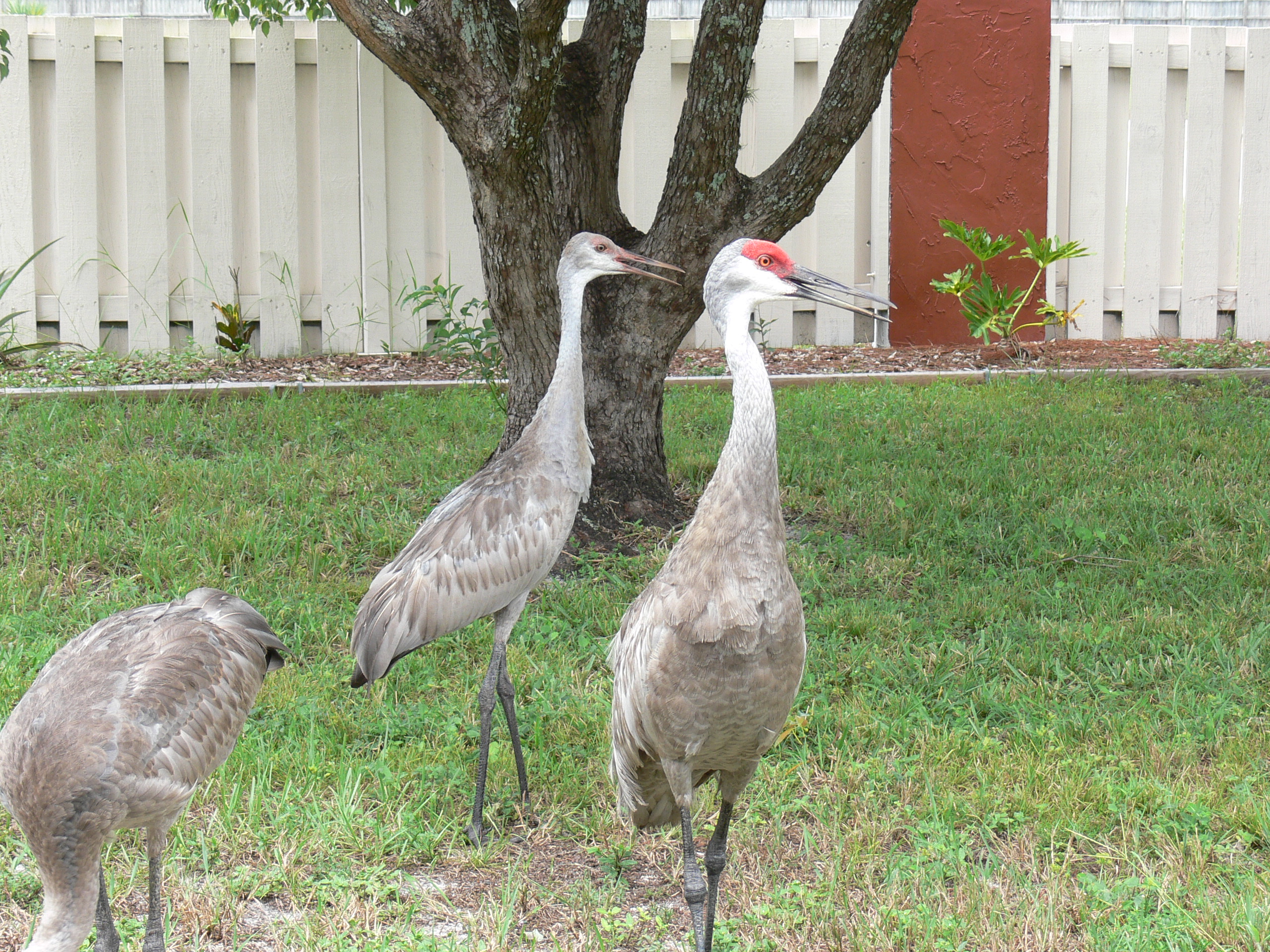
Sandhill Cranes - Adult and Juvenile in yard 8/27/10

Then God said, "Let the waters abound with an abundance of living creatures, and let birds fly above the earth across the face of the firmament of the heavens." So God created great sea creatures and every living thing that moves, with which the waters abounded, according to their kind, and every winged bird according to its kind. And God saw that it was good. And God blessed them, saying, "Be fruitful and multiply, and fill the waters in the seas, and let birds multiply on the earth." So the evening and the morning were the fifth day. (Genesis 1:20-23 NKJV)
This is where Bird Guides come in handy, but here in America there are over 900 species. Now begins the process of elimination. When the Lord created the birds, He did not put name tags on them, but in a way, He did. You will discover that each family of birds differs from other families, yet within families, there are different colors, markings, and subtle differences. If your bird is small and you have seen our local Sandhill Cranes, you can eliminate that whole Crane family. Most have seen a sparrow at one time. Was your bird about that size? Now you can eliminate almost the front half of your Guide. In other words, size is very important as a clue.

Blue Jay at Bok Tower by Dan's Pix
Blue Jay II at Bok Tower by Dan's Pix
What color was it? Another clue. Most guides don't list the birds by color, but there are some that do (The Easy Bird Guide), also on the Internet, there are places to find the bird by color. WhatBird is a great example of this. If you go to the Attributes Page you will see what are the main things to ask about the bird. Notice the list of birds above the buttons, it starts with all 924 birds. As you make selections, the number decreases and you eventually end up with just a few choices to make your selection from.

Location - Where did you see it? Florida, Georgia, etc.
Shape - Chicken like, Duck, Gull, Hawk, Hummingbird, etc.
Size - Very small, small, medium, large, very large
Color - Primary and Secondary colors
Habitat - Was it at the coast, mountains, desert, lake, etc.
Bill Shape - All purpose, cone, curved, dagger, etc.
Bill Length - Same as head, longer or shorter than head
Wing Shape - Broad, long, pointed, rounded, tapered, very long
Backyard Feeder - Frequently or rare
Others - Order, Family, Song pattern or call.

I think for now, that is enough. We will need to cover more in another article. I have put several photos on the page which you probably already know. Try using the What Bird tools and see if you can get to the right bird. Start with the Northern Cardinal. Put in Florida for Location (924 to 362), Shape=Perching-like (362 to 165), Color Primary=Red  (165 to 8), Bill Shape=Cone (8 to 4). You now only have 4 choices to look at. Try it. As you click on the name you will see lots of information about that bird.

Links:
What Bird Tools
How to ID Birds - All About Birds
How to Identify Birds - Audubon
Bird Identification Tips - About.Com Birding/Wild Birds
How-to Videos:
How to Identify Birds
Topography (Parts of the Bird)

Other Posts in our Start Birding today Series:


This Post Sponsored by:
Monday, April 23, 2012

Start Birding Today: Where Do I Go? (by Lee Dusing)

Circle B Bar Reserve Sign


We have answered some of this question already as we have been working our way through this Start Birding Today series. The easiest is to look or go outdoors. That is our starting place.
He sends the springs into the valleys; They flow among the hills. They give drink to every beast of the field; The wild donkeys quench their thirst. By them the birds of the heavens have their home; They sing among the branches. (Psalms 104:10-12 NKJV) The flowers appear on the earth; The time of singing has come, And the voice of the turtledove Is heard in our land. (Song of Solomon 2:12 NKJV)
When you are working in your yard, playing outdoors, walking to your car, talking to a neighbor, getting your mail, or just looking outside, become aware of the birds around you and over you (look up). Birdwatching does not have to be expensive or wearisome. Just let it happen. It will happen, the birds are very plentiful, at least here in central Florida, most of the time. For those who live in colder climates, most of their birds head down here and beyond for the winter, but the Lord has created birds that like the cold and can survive in it. The birds that stay put and don't migrate are called "residents." We have plenty of residents right here and so do you wherever you are.
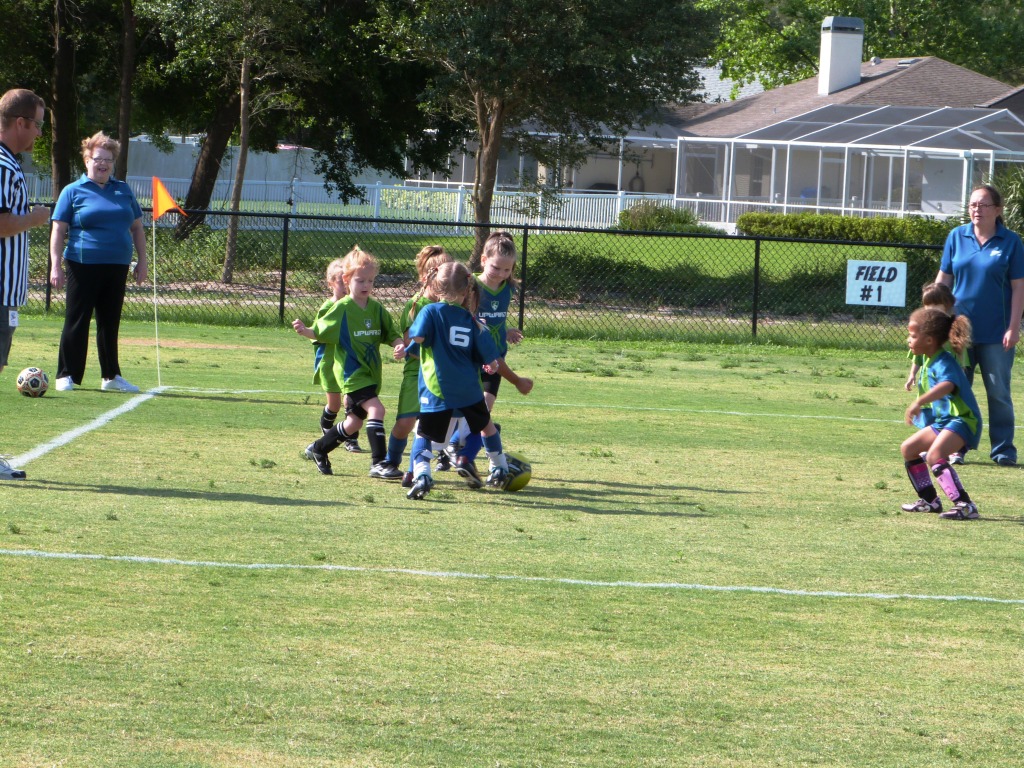
Upward Soccer 4-5 yr olds
Upward Soccer 4-5 yr olds Girls
Besides your "yard birds" there plenty of other places to go see what our avian friends are up to. Saturday, while watching our Upward Soccer games at church, I not only enjoyed watching the 4 and 5 year olds try to figure out which goal they were suppose to kick the ball in, but I observed 1 Bald Eagle, 1 Turkey Vulture, 2 Ospreys, 7 White Ibises, 1 Wood Stork, 1 Great Egret, 1 Boat-tailed Grackle, 2 Anhingas fly overhead. I also saw the baby Mallard that the Mincey's had in a cage. Did you see any of them, those of you that were there?
Anhinga Flying Over Soccer Fields
At the top of the article I placed a photo of the Entry Sign to our neatest place to go birding or birdwatching in this area, the Circle B Bar Reserve. Birding enthusiast from all over the state come here to go watching the birds. It is becoming a prime "hot spot" because of the variety of birds found out there. "The bird list for this property exceeds 185 species making it a must see birding location.  The best season for birding is winter although any season can turn up unusual bird. Spoonbills, Wood Storks, Limpkins, and many species of wading birds are easily seen and photographed from the hard surface trails." (Polkcountybirds) We watched or heard 85 ourselves out there.
  
Locally there are several nice places to get near the birds. The South Lake Howard Nature Park, Lake Hollingsworth, Lake Morton and Lake Parker Park, Saddle Creek Park. All five of those places are nearby, do not cost to get in and the birds are usually active enough to start your birding adventure easily. Those in other areas also have nearby parks, preserves, refuges, lakes and other place to visit the birds with little or no cost. Here in Polk County we have over 500 lakes and surely there are birds on, over or near them.
  
As you get more adventurous, start expanding your areas to explore. The Internet, bird magazines and bird books will give you ideas of places to go. Zoos make for great places to see birds. Not only the captive ones, but there are what I call the wild "free-loaders" who are eating the zoo animals food or at least trying to grab a meal.

More places to visit: The beach, Wildlife Refuges, parks, State Parks, National Parks, Wetlands, Everglades, Great Florida Birding Trail, on and on. Oh, and don't forget the local store or parking lot. Look in their trees and the letters of their signs. A favorite place for birds like Sparrows. Sometimes they are even in the store. The other day we were in Lowes and they were into the bird seed. They had broken open several bags and were having a wonderful time. Not so sure the company was as happy.
Look at the birds of the air, for they neither sow nor reap nor gather into barns; yet your heavenly Father feeds them. Are you not of more value than they? (Matthew 6:26 NKJV)
You can get as much involved as you desire in birding. Some travel around their country and around the world to see birds. I enjoy watching the birds, and seeing the Lord's Creative Hand at work, but I just enjoy birdwatching wherever I am. With over 10,000 birds in the world and at my age, I think I will let the others go take the photos and videos and see them through their lens. Would I like to go where they are? Sure, but there are plenty in my paths for me to enjoy. So can you, so Start Birding TODAY wherever you find yourself.

   
This Post Sponsored By: