Wednesday, May 30, 2012

Carrying on the Legacy (by Matthew DelValle)

John Piper & RC Sproul (Ligonier Ministries
This is my final post in a series I began over a year ago on “Two Men I Thank God For.” I am so thankful for the ministries of R.C. Sproul and John Piper. They have shifted my focus time and time again away from myself to the glory of God and the splendor of his holiness (Ps. 29:2, 115:1). These men have what I call a holy passion. Their lives and ministries are consumed with the reality of a holy God. This is what drives them. This is the legacy they will leave. And this is the legacy I want to continue.

It is the job of every generation of pastors to continue the legacy of faithful ministry. Paul told Timothy, “What you have heard from me in the presence of many witnesses entrust to faithful men who will be able to teach others also” (2 Tim. 2:2). I want to be one of those faithful men. I want to be entrusted with the Scriptures and teach others the same glorious truths about our sovereign God and our glorious Christ that I have heard, not only from R.C. Sproul and John Piper, but from Pastor Osborne, Pastor Pete, Pastor Jerry, Pastor Bobby during my time at Faith, and now here in Louisville, from Pastor Tom Schreiner, Pastor John Kimbell, and all my professors at Southern Seminary. This is why I am in Louisville going to seminary: To learn to teach others also. I want to carry on the legacy of the faithful men who have taught me.

Pastors: “God-Besotted” Men

What does it take to become a faithful pastor? This is a question I often ask myself. Taking into account varying levels of giftedness, how does one reach the sustained faithfulness of a R.C. Sproul or a John Piper or a Pastor Osborne or a Tom Schreiner or an Albert Mohler? I think what it takes most of all is a radical focus on God above everything else, a striking God-centeredness of life. John Piper writes:

Our people need a God-besotted man. Even if they criticize the fact that you are not available at the dinner on Saturday night because you must be with God, they need at least one man in their life who is radically and totally focused on God and the pursuit of the knowledge of God, and the ministry of the word of God.

How many people in your churches do you know that are laboring to know God, who are striving earnestly in study and prayer to enlarge their vision of God? Precious few. Well then, what will become of our churches if we the pastors, who are charged with knowing and unfolding the whole counsel of God, shift into neutral, quit reading and studying and writing, and take on more hobbies and watch more television?

In other words, it takes a holy passion. It is no surprise to me then that every time I visit home and talk to Pastor Osborne and update him on my seminary studies, he always tells me the same thing: “Don’t lose your passion!” Why does he say that? Out of all the things he could say, he repeats these precise words. What is he getting at?

I think he recognizes, rightly, that the most important thing a pastor must be for his people is “a God-besotted man.” He must be the one man who will forsake other legitimate uses of time in order to read and study and write about the things of God. His entire pulse of life beats to the rhythm of knowing God more truly and loving God more fully. And this, it is known, is the secret to serving God more faithfully.

Satan’s Quest to Kill Passion

But I think another truth Pastor recognizes is that passion can be lost. It can dry up. We can lose our first love. The love of many can grow cold. And that’s why Pastor’s words to me are both an admonition and a warning: An admonition to keep fanning into flame the fire of passion for God, and a warning to not allow the Enemy to douse the fire with his deceitful snares. Therefore I must not become lukewarm in my affections for God lest I gag Jesus and he spit me out of his mouth (Rev. 3:16).

Seminary is an academic institution. Seminary exists to give people an education. It does not exist to give people experience. That is what the local church is for. There are two training institutions for pastors today: The local church and the seminary. Both are necessary. But each has its own function. The seminary does “head” stuff really well. It equips men and women to think well and to think rightly about the Bible and theology. Thank God for seminaries!

But there is a difference between loving the Bible and loving its Author. All my study should serve to help me love God more. The final destination for truth is not the brain; it is the bloodstream. The greatest commandment is not to know right things about God; it is to love God. We fill our heads to fuel our hearts. Again, Dr. Piper says it best:

Right thinking about God exists to serve right feelings for God. Logic exists for the sake of love. Reasoning exists for the sake of rejoicing. Doctrine exists for the sake of delight. Reflection about God exists for the sake of affection for God. The head is meant to serve the heart.

So seminary can be a great place if used correctly. But seminary can also be a dangerous place. Seminarians must be careful. Satan can misuse the seminary to produce proud people. He knows that “knowledge puffs up” (1 Cor. 8:1). And therefore, Satan will try to short-circuit my study. Satan wants nothing more than to snuff out the heart-adoration of Adonai with the heady atmosphere of academia. He wants to produce professionals, not pastors; proud pedants, not poor-in-spirit preachers.

Pray for Me

What must I do then? How can I cultivate and sustain a holy passion? I must stay on my knees. I must go to God in prayer every day, bending his arm to change me and make me more humble, make me more loving, make me more Christlike. And I echo the point of my previous post: The greatest asset of any pastor (and seminarian!) is people who pray for him.

So brothers and sisters, I ask you: Pray for me. Pray for my time here in Louisville at Southern Seminary. Pray that I will study in the strength that God supplies. That I will not just affirm truth with my head but adore truth with my heart. That theology will lead to doxology. That I will work diligently to worship deeply. That God will make me a pastor, not a pedant. That I will always remember that systematic theology did not die on the cross for my sins; Jesus did. That I will stay free from deceitful desires of the flesh and live a life that is above reproach. That I will be faithful and carry on the legacy of many faithful pastors.

I covet your prayers. Thank you for your faithful intercessions on my behalf. I cannot thank you enough.

“I pray that the great, initial passion of our hearts at the beginning of formal theological training would be the great, persevering passion of our hearts at the end, both of our training and of our lives. That we would say, we have not studied nor have we lived for ourselves, but for him who for our sake died and was raised (2 Corinthians 5:15).” ~ Jonathan Parnell

Posts in This Series:

Support FBC by Visiting:
Monday, May 28, 2012

Start Birding Today: Enjoy The Lord's Paintbrush - Zoos

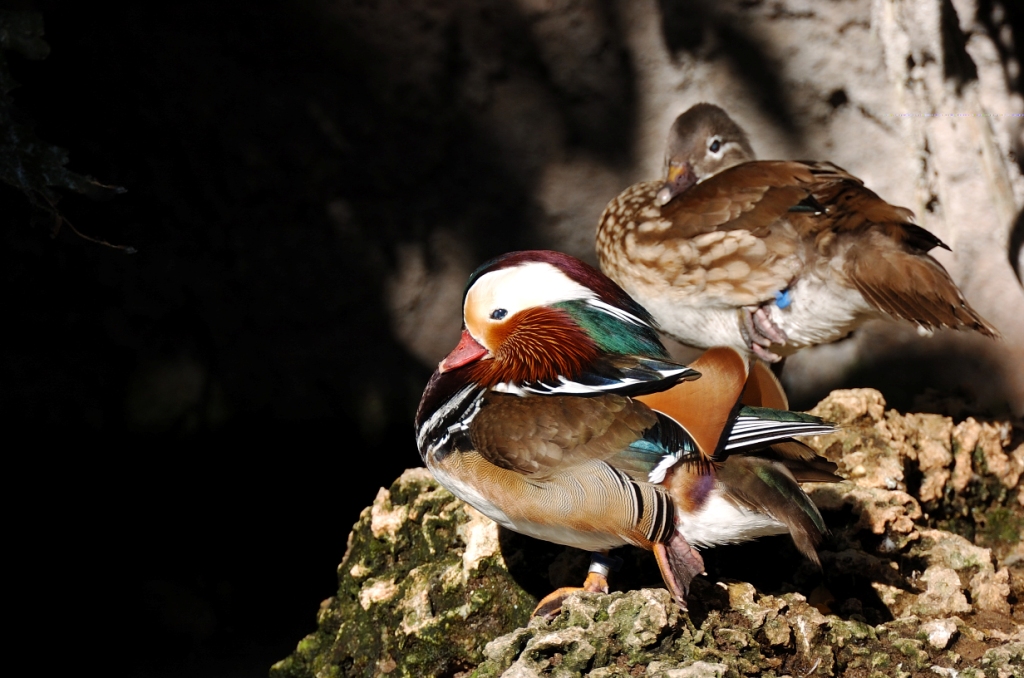
Mandarin Duck (Aix galericulata) by Dan at Zoo Miami
I trust you are enjoying our "Start Birding Today!" series. We have been trying to motivate you to go out and observe the many birds around you. This is the second article about "Enjoying The Lord's Paintbrush" Click for first one. Seeing as our subtitle is "Birdwatching from a Christian Perspective," I want to do a few articles that you won't see in most birding books. We believe that the world and all that its critters were created by the Lord and not evolved.
For thus says the Lord--Who created the heavens, God Himself, Who formed the earth and made it, Who established it and did not create it to be a worthless waste; He formed it to be inhabited--I am the Lord, and there is no one else. (Isaiah 45:18 AMP) O LORD, how manifold are Your works! In wisdom You have made them all. The earth is full of Your possessions— (Psalms 104:24 NKJV) Have you not known? Have you not heard? The everlasting God, the LORD, The Creator of the ends of the earth, Neither faints nor is weary. His understanding is unsearchable. (Isaiah 40:28 NKJV)
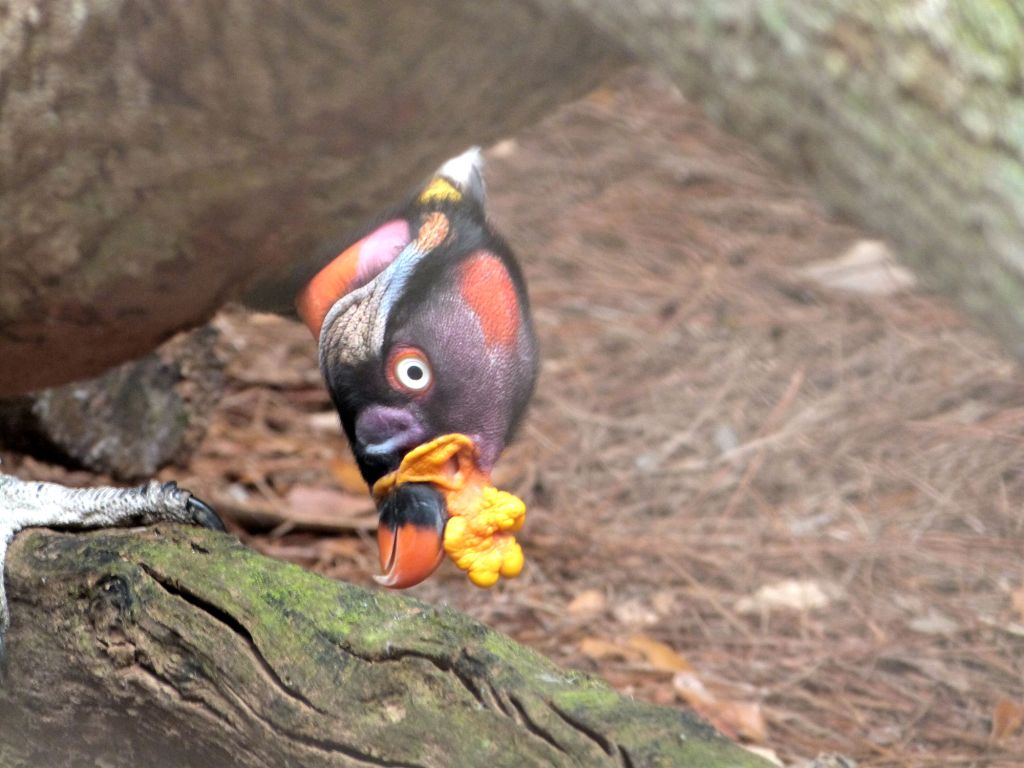
King Vulture (Sarcoramphus papa) by Lee at Brevard Zoo
King Vulture (Sarcoramphus papa) by Lee at Brevard Zoo 
While creating the birds, the Lord has used a fantastic array of colors and designs. I can imagine Him using a fine brush when some of my favorite birds here in America were being dressed for "His pleasure." Zoos are a fantastic place to see birds that you would have to travel to other countries to see. It is more economical to travel to a Zoo nearby.

The birds at zoos are well cared for and many are being bred to preserve their species. Some birds are so endangered by loss of habitat and other causes, that the only birds left are the ones in the zoos or preserves. We are fortunate to have some very super zoos right here within a day's drive and our country has many others that are first class also. The birds seen here in this article are some of the fantastically painted birds created by the Lord that Dan and I have seen in Zoos.

Look at the Mandarin Duck at the top. He is related to the Wood Duck up there last week. Another beautiful bird that likes to hide and make it difficult to get a good photo of him. The male is the colorful one and the female is a plain brownish to protect her while on the nest. She is in the background and you can see her painted eyelines.

 Now if you have an ugly vulture and want to pretty it up, look at this design on the head of a King Vulture. 

King Vulture (Sarcoramphus papa) by Lee at Brevard Zoo
King Vulture (Sarcoramphus papa) by Lee at Brevard Zoo 
Here are a few more beauties by their Creator: How about these feathers on the Scarlet Macaw? 
Scarlet Macaw (Ara macao) Feathers - Brevard Zoo
Scarlet Macaw (Ara macao) by Lee Brevard Zoo
Or the gorgeous Blue-and-yellow Macaw?

Blue-and-yellow Macaw (Ara ararauna) at Brevard Zoo
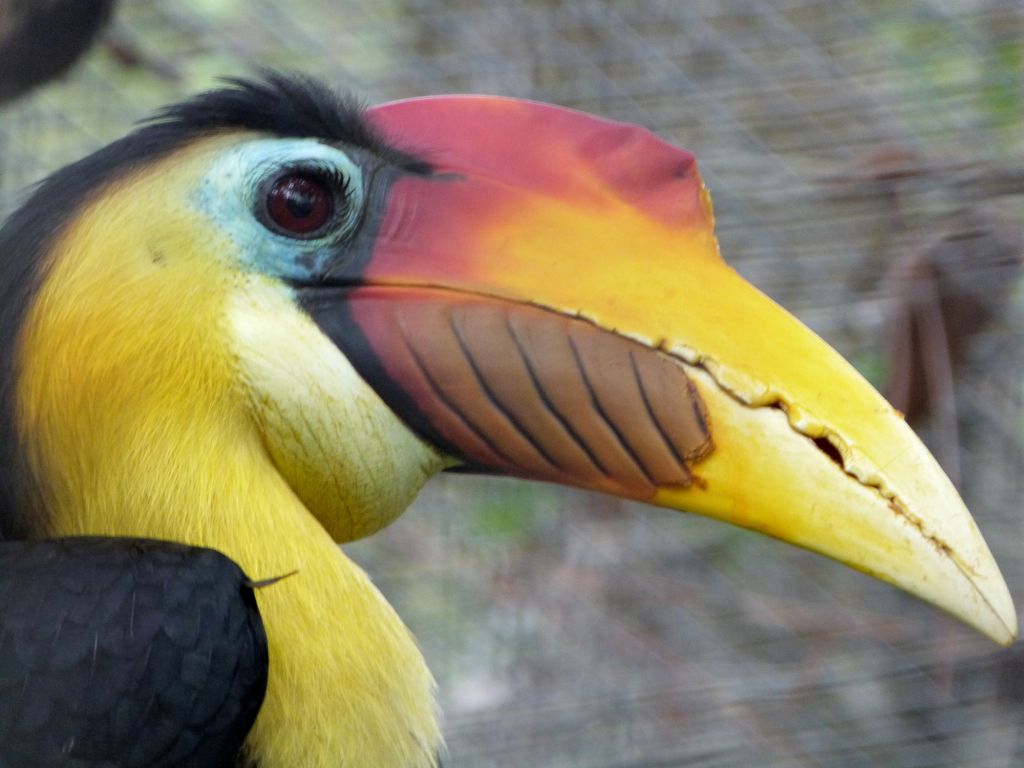
My favorite "painted" bird at the Brevard Zoo was this one:

Wrinkled Hornbill (Aceros corrugatus) Brevard Zoo by Lee
Wrinkled Hornbill (Aceros corrugatus) Brevard Zoo by Lee 
Wow!!!

 Down in Miami at the Wings of Asia aviary at Zoo Miami we were able to see these beautiful birds:

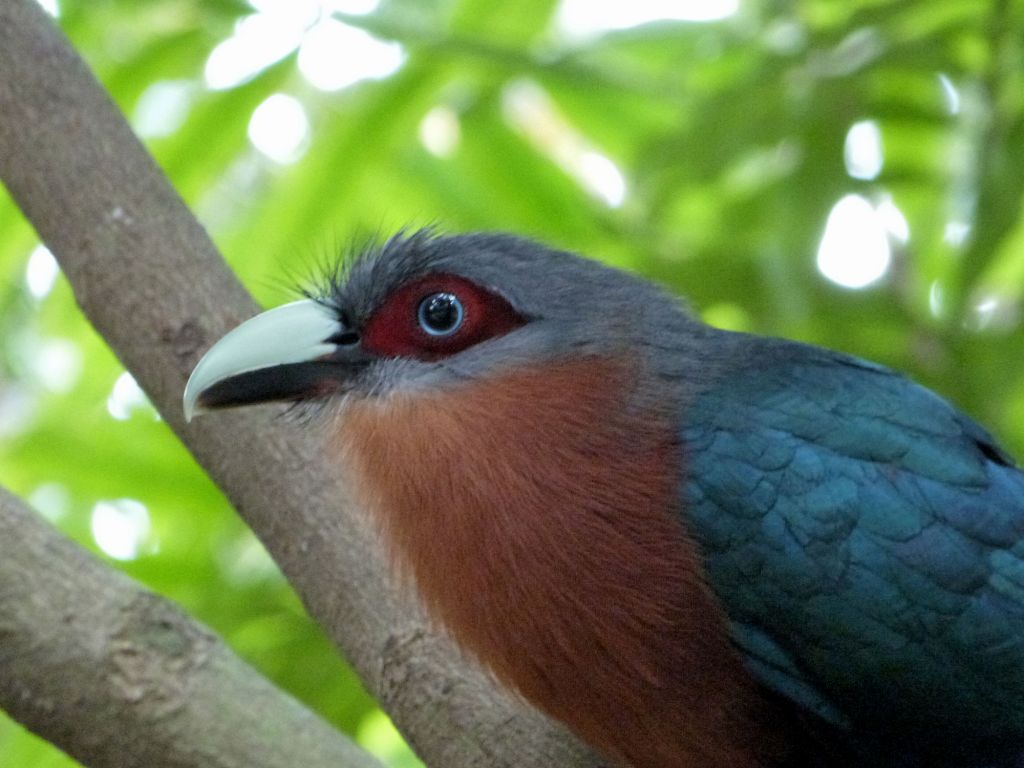
Chestnut-breasted Cuckoo (Cacomantis castaneiventris) Wings of Asia
Chestnut-breasted Cuckoo (Cacomantis castaneiventris) Wings of Asia 
Or this cool bird which I call "Joe Cool." Looks like the Lord painted sunglasses on it.

(Black and White) Sumatran Laughingthrush (Garrulax bicolor) by Lee
 (Black and White) Sumatran Laughingthrush (Garrulax bicolor) by Lee 
An Inca Tern seen at the National Aviary in Pittsburgh, PA:
Inca Tern by Dan at National Aviary
 Inca Tern by Dan at National Aviary
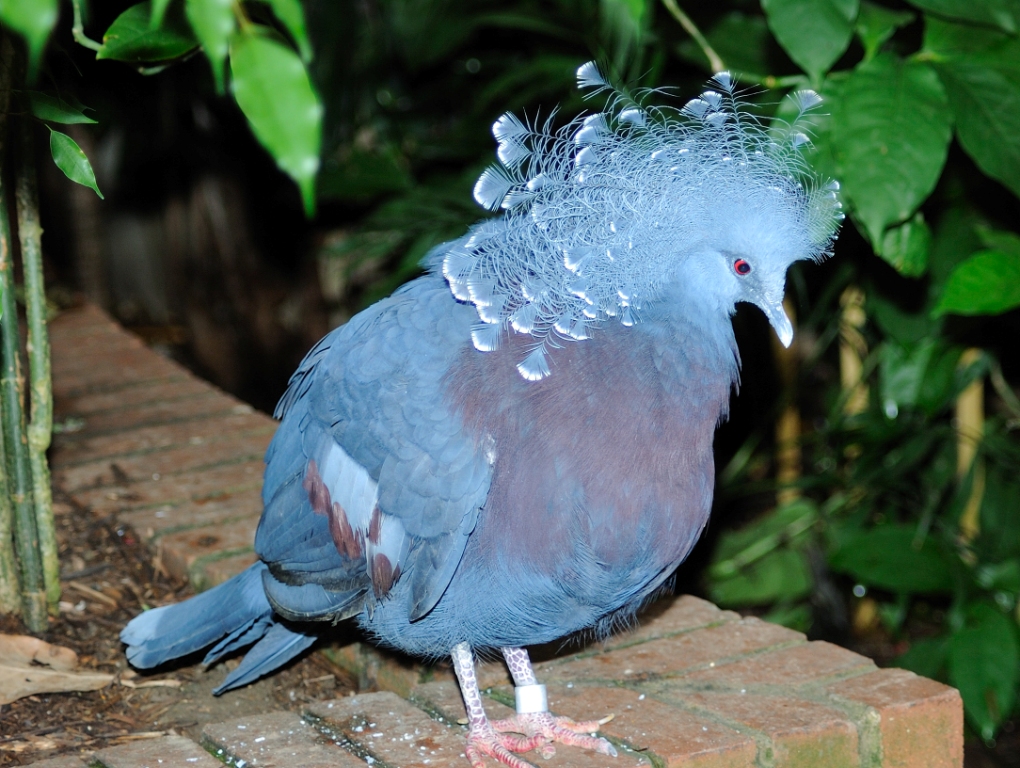
This Victorian-crowned Pigeon is at most of the zoos we have visited. They look like lace was placed on its head.
Victoria Crowned Pigeon by Dan at National Aviary
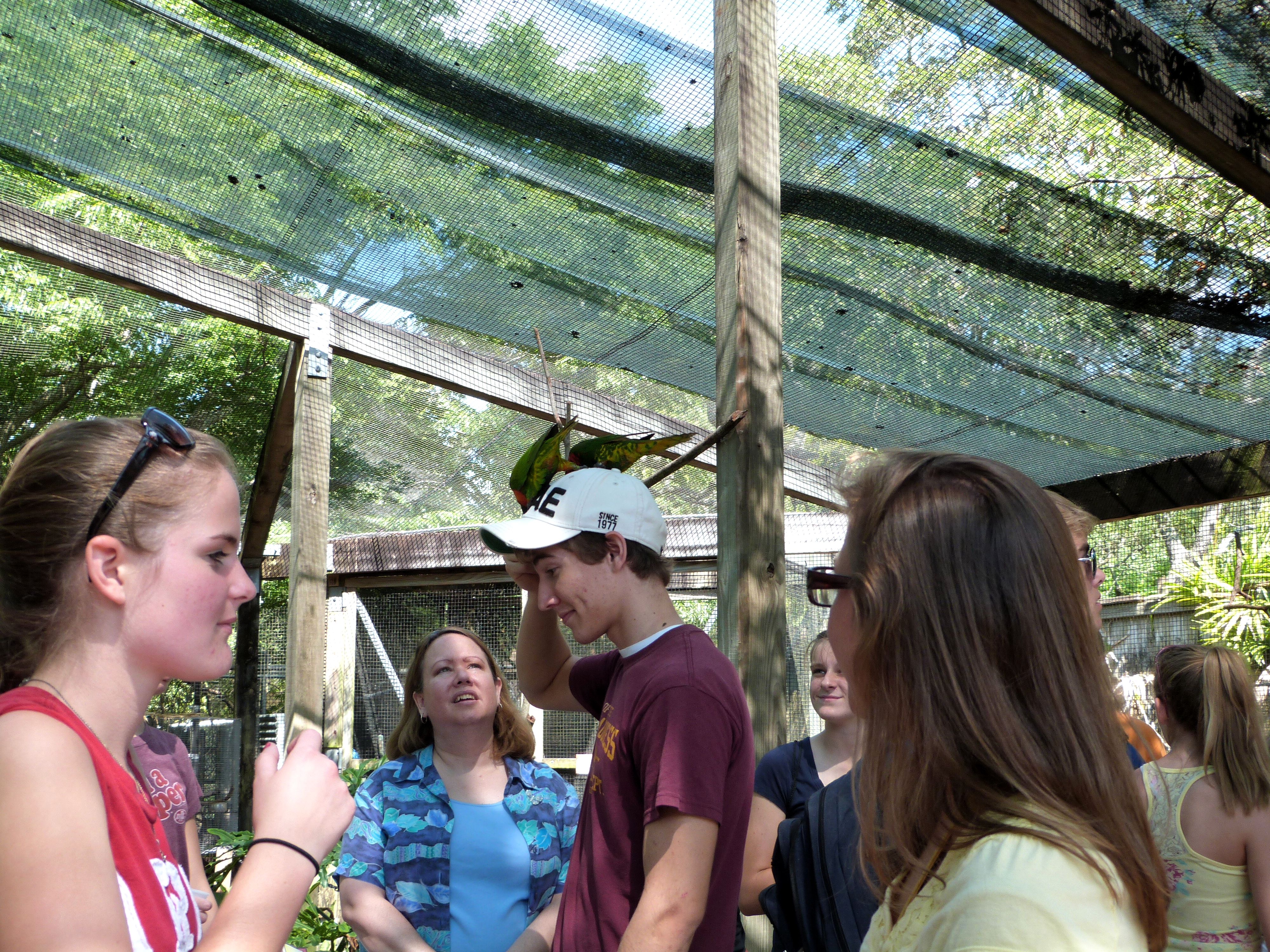
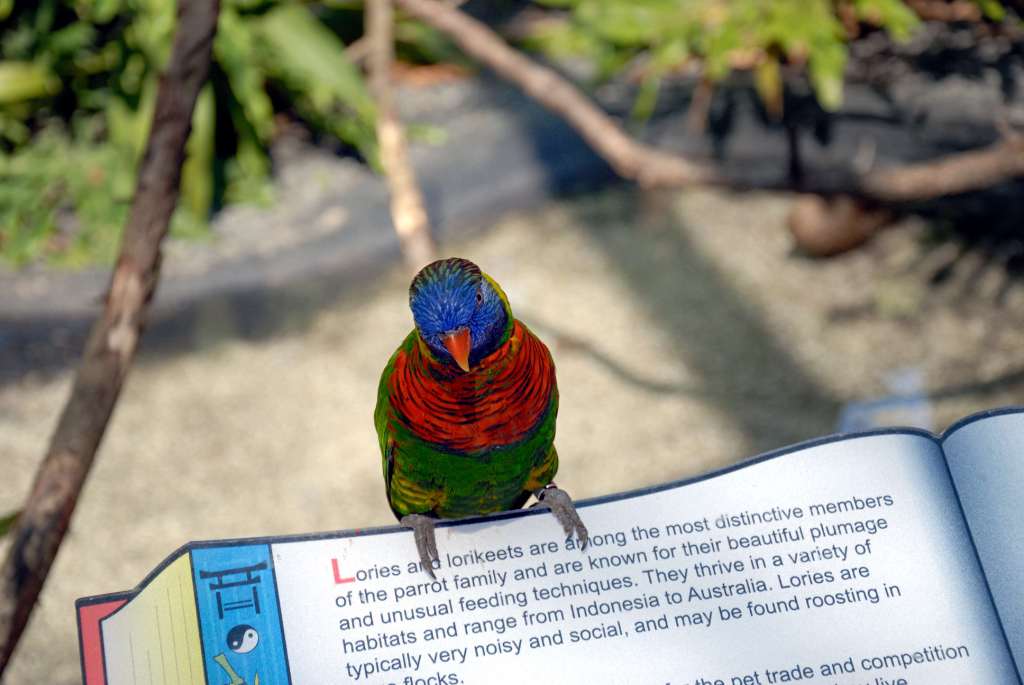
Back here locally to the Lowry Park Zoo in Tampa, there are many birds to enjoy. We met a group of Homeschoolers over there on Friday and had the pleasure of introducing them to my avian friends there. They enjoyed all of them, but had the most fun feeding the beautiful Lorikeets.

Rainbow Lorikeets at Lowry Park Zoo
Homeschoolers at Lowry Park Zoo
Rainbow Lorikeet at Lowry Pk Zoo by Dan

Homeschoolers at Lowry Park Zoo
There are many more that could be shown, but if you"Start Birdwatching Today" with a trip to a zoo or somewhere similiar, you might just be surprised by the beauty and magnificence of the birds. Then thank the Lord for His many blessings to us.
Oh, the depth of the riches both of the wisdom and knowledge of God! How unsearchable are His judgments and His ways past finding out! (Romans 11:33 NKJV)

Other Posts in our Start Birding today Series:

 
Support FBC simply by visiting Westminster Books

Monday, May 21, 2012

Start Birding Today: Enjoy The Lord's Paintbrush - U.S.

Wood Duck by Dan at Lake Hollingsworth
I trust you are enjoying our "Start Birding Today!" series. We have been trying to motivate you to go out and observe the many birds around you. Seeing as our subtitle is "Birdwatching from a Christian Perspective," I want to do a few articles that you won't see in most birding books. We believe that the world and all that its critters were created by the Lord and not evolved.
For thus says the Lord--Who created the heavens, God Himself, Who formed the earth and made it, Who established it and did not create it to be a worthless waste; He formed it to be inhabited--I am the Lord, and there is no one else. (Isaiah 45:18 AMP)
O LORD, how manifold are Your works! In wisdom You have made them all. The earth is full of Your possessions— (Psalms 104:24 NKJV)
Have you not known? Have you not heard? The everlasting God, the LORD, The Creator of the ends of the earth, Neither faints nor is weary. His understanding is unsearchable. (Isaiah 40:28 NKJV)
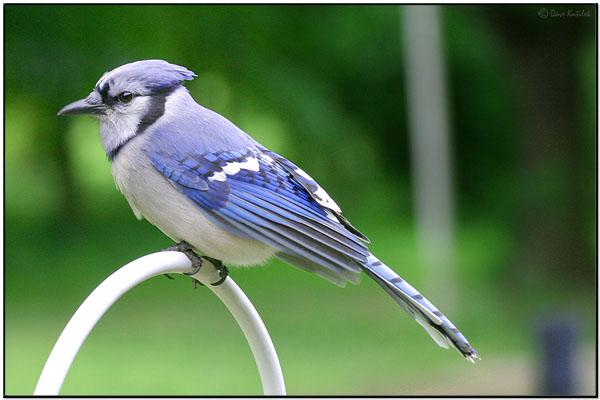
Blue Jay (Cyanocitta cristata) by Daves BirdingPix
While creating the birds, the Lord has used a fantastic array of colors and designs. I can imagine Him using a fine brush when some of my favorite birds here in America were being dressed for "His pleasure." Look at this Blue Jay, seen in most parts of our country or his cousins out west. Can't you just imagine a painter or artist putting the colors and marks on him?

His cousin the Green Jay from down in the valley of Texas. 


Green Jay (Cyanocorax luxuosus) by S Slayton
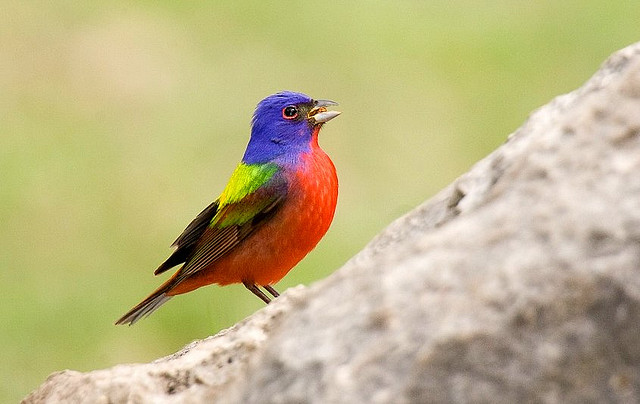
Or, how about a Painted Bunting that looks like He just took a little dab of this and a little dab of that? 

Painted Bunting (Passerina ciris) ©©Flickr
 The Northern Flicker

Northern Flicker (Colaptes auratus) Red-shafted ©WikiC
Northern Flicker (Colaptes auratus) Red-shafted ©WikiC 
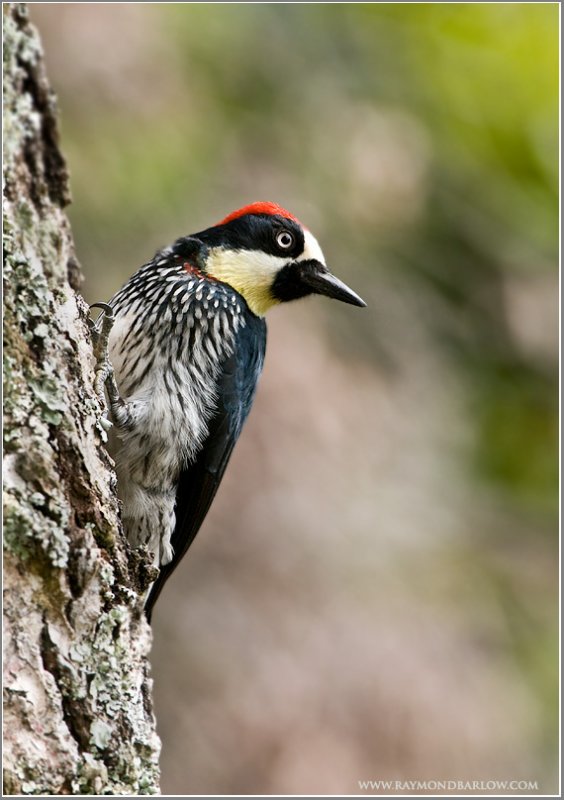
and its cousin the Acorn Woodpecker.

Acorn Woodpecker (Melanerpes formicivorus) (3) by Raymond Barlow
Acorn Woodpecker (Melanerpes formicivorus) by Raymond Barlow 
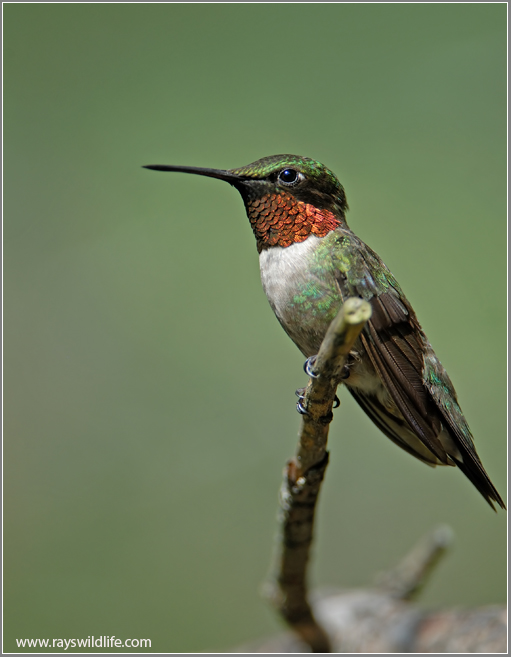
Tiny birds that have iridescent colors like our Hummingbirds just glisten when the light shines on them the right way.

Our eastern Ruby-throated Hummingbird

Ruby-throated Hummingbird by Ray's Wildlife
 and the western Magnificent Hummingbird.

Magnificent Hummingbird (Eugenes fulgens) by Judd Patterson
Magnificent Hummingbird (Eugenes fulgens) by Judd Patterson 
Do you see a designer and a painter at work? My favorite one of all is the Wood Duck at the top. Dan took that at Lake Morton in Lakeland. (It really is a live duck, not a painting.)  Those fine lines are just awesome to me. They actually have a cousin that hangs out more on the western side of America. It is the Harlequin Duck.

Harlequin Duck (Histrionicus histrionicus) ©WikiC
There are many more that could be shown, but if you"Start Birdwatching Today" they may just pass by for you to take a look. Then thank the Lord for His many blessings to us.
Oh, the depth of the riches both of the wisdom and knowledge of God! How unsearchable are His judgments and His ways past finding out! (Romans 11:33 NKJV)

Other Posts in our Start Birding today Series:


This Post Sponsored by:


Wednesday, May 16, 2012

Three Observations From John 11 (by Bobby Thompson)


 It is hard to believe, but our blog has well over 600 posts.  These posts stretch all the way back to 2007.  From time to time, we like to re-post something from the past.  This is one of those posts.  It was written by Bobby Thompson and was originally posted in September of 2007.


John 11 records the familiar story of Jesus’ raising of Lazarus from the dead. Most people know the details of the events in the story, but have you ever stopped to think what we can learn about God through the words and acts of Jesus in this account? Here are three short observations and maybe you can think of more:

1. God is working in our lives for His glory.

If you look at verses 1-4 you will find two perspectives on the situation at hand. For Mary and Martha they saw a difficult and desperate situation – their brother was sick unto death. Jesus saw the situation through different eyes. He saw how the Father and the Son could receive glory in it (v.4) so he said, “This illness does not lead to death”. Yes, Lazarus did die, but ultimately Christ gave him life again in this age and in the age to come.

2. God is at the same time working in our lives for our good.

In verses five and six we read, “Now Jesus loved Martha and her sister and Lazarus. So, when he heard that Lazarus was ill he stayed two days longer in the place he was.” That is a pretty remarkable statement. What he said is essentially, “Because I love you, I am going to stay here and let Lazarus die.” This seems rather odd and unloving until we read verses 14-15, “Then Jesus told them plainly, ‘Lazarus has died, and for your sake I am glad that I was not there, so that you may believe.' ” You see, Jesus not only had the glory of God in mind, but also the good of his friends. He knew that they needed to trust him, more than Lazarus needed to live – Which leads into the third observation…

3. God is always working in our lives to produce faith in Him.

John 11:35 says, “Jesus wept.” Have you ever wondered why Jesus wept at this particular point in the story? I have often thought it had to do with his feelings for Lazarus or his empathy with Mary and Martha. The closer I look, it seems that he was weeping for their lack of faith. Earlier in the chapter Martha did respond in faith saying, “I know that whatever you ask from God, God will give to you.” Later however Mary came to Jesus with other Jews, and they were all distraught and weeping; It is at this point that Jesus also weeps. Surely Jesus had great affection for Lazarus and his sisters and friends, but more that anything he wanted was to see faith in God produced in them, and by application, in us also.

Extraordinary faith in God brings him great glory and us great satisfaction.

This Post Sponsored by:

Monday, May 14, 2012

Start Birding Today: What Is The Sound?


Birds are very vocal at times and they give us a great clue as to what bird it is. Eventually as you become better in your birdwatching adventures, it will help to learn some of their sounds and noises.

As you are observing birds that are singing or calling, you can learn to associate that sound to that bird. That is the beginning and it is almost automatic. When you hear a bird, but do not see it, then you will either recall one you have seen and be able to ID it, or you can start studying the sounds so the next time you can know what the unseen bird is.

There are several methods that birders use. Audio CDs and computer programs have Bird sounds along with photos of the bird to assist your learning.

The Internet has places like the WhatBird, All About Birds, Birding by Ear Basics,

Here is an interesting video about blind people birding by ear. Very interesting.


[youtube=http://youtu.be/ZIxElCuaNgg]

Here are some of the birds you may already know. These are local birds here, but also seen around other parts of the country. Also a very nice verse to remember while "birding by sound." I used this verse when taking my General Amateur License test that was all Morse Code. It helped calm my heart even though it refers to the Lord hearing us, but it helped me to hear those dots and dashes. (Only 8 of 115 of us passed the test that day.)

LORD, thou hast heard the desire of the humble: thou wilt prepare their heart, thou wilt cause thine ear to hear: (Psalms 10:17 KJV)

All of these sounds are coming from the Xeno-canto.org website.

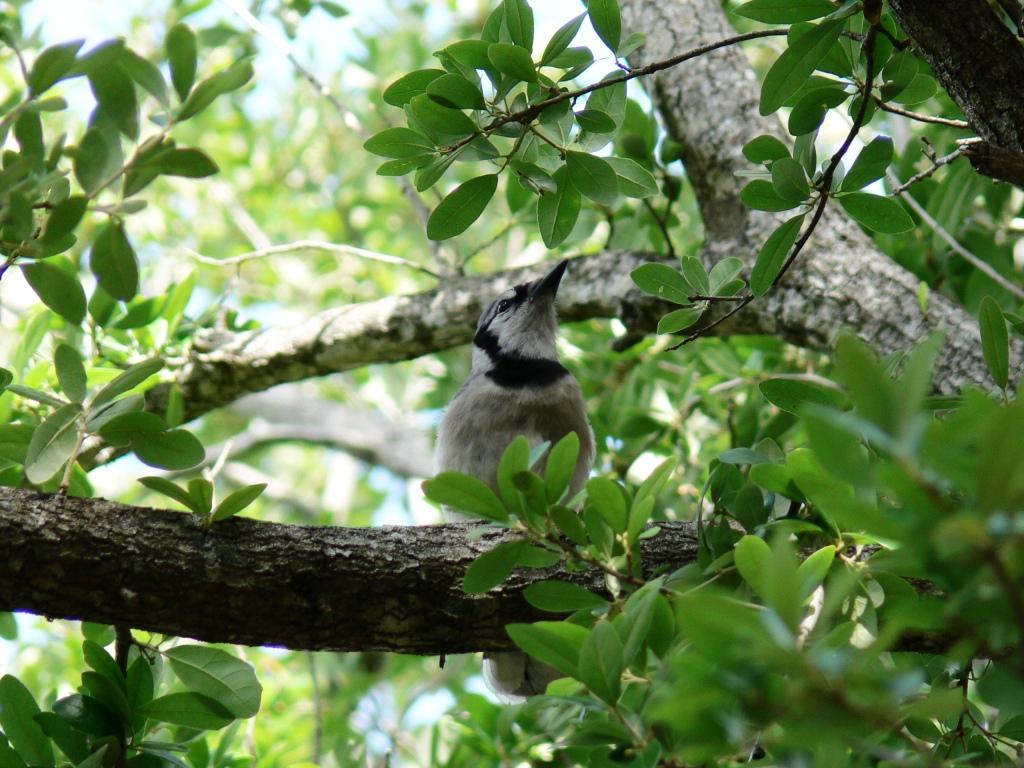
Blue Jay in tree at Hampton Pines
Click for the sound of a Blue Jay


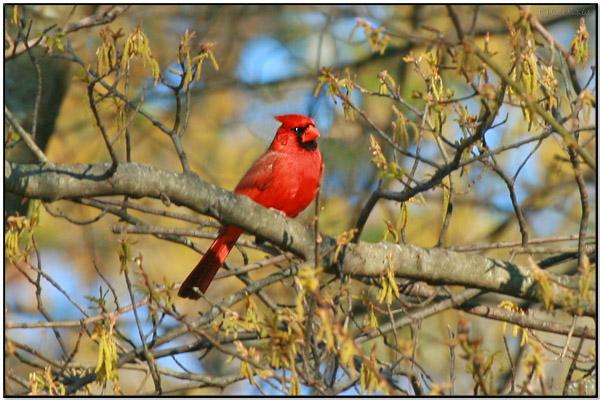
Northern Cardinal (Cardinalis cardinalis) by Daves BirdingPix 
Click for the sound of a Northern Cardinal

Boat-tailed Grackle (Quiscalus major) at Lake Howard, Winter Haven, Florida By Dan'sPix 
Click for the sound of a Boat-tailed Grackle

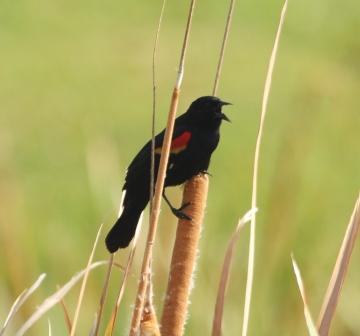
Red-winged Blackbird at Bok Sanctuary
Red-winged Blackbird at Bok Sanctuary 
Click for the sound of a Red-winged Blackbird

Whip-poor-will (Caprimulgus vociferus) by BirdsInFocus
Whip-poor-will (Caprimulgus vociferus) by BirdsInFocus 
Click for the sound of a Eastern Whip-poor-will

Great Horned Owl - Lowry Pk Zoo by Lee
Click for the sound of a Great Horned Owl

How many did you all ready know?

Some like to put words to their sounds like these from Birding By Ear -- Bird Song Identification

Listen here to a few bird songs and calls that have good mnemonic phrases:
Eastern Towhee -- "Drink your tea-ea-ea"
Whip-poor-will -- The name says it all.
Black-capped chickadee -- Some music and talk first, then the "Chick-a-dee-dee-dee"
White throated sparrow -- "Poor Sam Peabody, Peabody, Peabody"
Black-throated green warbler -- "Zee zee zee zoo zee"
Barred Owl -- "Who cooks for you, who cooks for you all"

Links:
Birding By Ear -- Bird Song Identification
WhatBird
All About Birds
Birding by Ear Basics

Other Posts in our Start Birding today Series:


This Post Sponsored by:

Wednesday, May 9, 2012

The Beatitudes: Be a Peacemaker - Preach the Gospel! (by Stephen Simpson)


Blessed are the peacemakers, for they shall be called sons of God.” (Matt. 5:9 - ESV)

As we continue through The Beatitudes, understand the ‘shock-factor’ in Christ’s statement. The Jews were not looking for peace. They were looking for victory over Rome. In their minds, peace was not an option for all of the wrongs that had been committed against them. Yet, Jesus came preaching “blessed are the peacemakers. Blessed are those who actually pursue and promote and foster and make peace.”

Like most of the Beatitudes, we must be careful to not misunderstand these words of Jesus. Jesus’ words have nothing to do with political peace. Jesus is not primarily concerned about peace between nations or even peace between you and your neighbor. Jesus has spiritual peace in mind – Peace between man and God.

Peacemakers are needed because there is sin in the world. Sin has broken the peace between God and man. John MacArthur has written in his commentary on this passage, “Men are without peace because they are without God.”  Blessed is the man who seeks to restore that peace.

So, how do we ‘make’ peace? 
  1. First of all, we must make peace between ourselves and God. We must trust in Jesus Christ alone for salvation. He is our peace. He is the only way we can be reconciled to God.
  2. Secondly, we must preach the Gospel. “To preach Christ is to promote peace.” (MacArthur) A peacemaker recognizes those who have no peace and shows them how to find true peace. A peacemaker points to Jesus Christ as the only way to have peace with God.
A godly peace-maker is one who passionately pursues peace without sacrificing truth. “Do not think that I came to bring peace on the earth; I did not come to bring peace, but a sword.” (Matt. 10:34) A peacemaker passionately defends and promotes the truth even when the truth does not appear, at first glance, to foster peace. A peacemaker lovingly but honestly says “you are a sinner.”

Blessed are the peacemakers. Blessed are the evangelists. Blessed are those who tell other people how to have peace with God. 

Monday, May 7, 2012

Start Birding Today: When Should I Go? (by Lee Dusing)

Wood Storks in Trees in Fog at Circle B
Wood Storks in Trees in Fog at Circle
Start Birding Today: When Should I Go?

You can go birdwatching anytime, but you may or may not find many birds. There are benefits of finding out when the birds you are looking for is out and about. In the beginning stages of birding, you just want to find birds, right?
The flowers appear on the earth; The time of singing has come, And the voice of the turtledove Is heard in our land. (Song of Solomon 2:12 NKJV)
To start, most birds are active in the morning. Many around sunrise are getting up and are hungry from resting all night. Just like us, they need some "breakfast." They start stretching, singing, searching for a meal. Give or take around 11:00 am they are resting or starting to settle down for most of the afternoon. Then around 3 or 4, depending on the time of the year, they start looking for a snack or meal before they again settle in for the night.

If you have feeders in your yard, the same is true. The morning and for a few hours before dark will be your most active times to see the birds.

Birds that roost together as a flock start heading to their night-time hangout. For instance, locally at Circle B Bar Reserve, the Herons, Egrets, Wood Storks, Ibises and White Pelicans (during winter) come back in to rest for the night. One of my neatest experiences was when the White Pelicans started arriving at Circle B around 4:45 pm for the night. (Ignore my crazy talk, I was just flabbergasted!)

If you like to see Owls, Nighthawks, Whip-poor-wills, and the other night birds, then, they are quiet in the daytime, but come out to "hoot" and "holler" right around dark and throughout the night. They start settling down around dawn.

Weather is a big factor also in when to go. Fog makes it hard. Windy days will cause the many birds to stay low. It is as if they are "grounded." Rain of course makes it rough on you to go out and watch and they are seeking shelter which can make them harder to observe. They are out there and they still get hungry. Also, down here in the winter, we get lots of visiting birds and that is a good time of the year to watch our feathered friends.

Mom and Baby at Lake Hollingsworth
"Many birdwatchers occupy themselves with observing local species (birding in their "local patch", but may also make specific trips to observe birds in other locales. The most active times of the year for birding in temperate zones are during the spring or fall migrations when the greatest variety of birds may be seen. On these occasions, large numbers of birds travel north or south to wintering or nesting locations. Early mornings are typically better as the birds are more active and vocal making them easier to spot.

Weather plays an important role in the occurrence of rare birds. In Britain, suitable wind conditions may lead to drift migration, and an influx of birds from the east. In North America, birds caught in the tail-end of a hurricane may be blown inland." (Wikipedia) This is not an in-depth study, just some of my tips to get you started in your birdwatching adventure. Trust you are enjoying our series, Start Birding Today.

Links:
 
Other Posts in our Start Birding today Series:


This Post Sponsored by:


Wednesday, May 2, 2012

Can We Trust the Bible? The Septuagint (by Lou Gentry)


Considered one of the most important Bible translations ever made, the Septuagint is a translation of the Hebrew OT into Greek. It is referred to in manuscripts as “according to the seventy” (“Septuagint” is Latin for “seventy”). “LXX” is often used in place of the word “Septuagint.”
     
The legend behind the “seventy” goes back to the reign of Ptolemy II Philadelphus at Alexandria (284-247 B.C.). This monarch allegedly sent an embassy to Jerusalem with a letter to Eleazar the high priest, requesting that six elders from each of the twelve tribes should be sent to Alexandria to develop a new translation of the Hebrew OT into the Greek language.
“The seventy-two duly arrived with a copy of the law written in letters of gold on rolls of skins. . . . . .The translators were provided with a satisfactory retreat on the island of Pharos, and Demetrius [Demetrius Phalerius, librarian of the famous library of Alexandria] exhorted them to accomplish the work of translation. . . . . .So they set to work, comparing their results, and making them agree. And whatever they agreed upon was suitably copied under the direction of Demetrius. . . . .In this way the transcription was completed in seventy-two days.” (The Zondervan Pictorial Encyclopedia of the Bible. Vol. 5, p. 343).
   
The majority of biblical scholars agree that the Septuagint is a worthy translation of the Hebrew OT. For example, Dr. Neil Lightfoot in his book How We Got the Bible notes:
“Although there are numerous textual variations between the Septuagint and the Hebrew text, the great majority of these are minor. Often it is not mentioned how very much the Septuagint supports the Hebrew text. Yet even when the Septuagint differs and offers a better reading, nonetheless it never replaces the Hebrew as the standard form of the text. Because it is a translation, the Septuagint always remains secondary. Only with great care, then, can one speak of ‘the authority of the Septuagint’.” (p. 149)
    
Influences the Septuagint have had upon the Bible we use today (via the Latin Vulgate) include:
  1. dividing the OT into grouping of books--Law, History, Poetry, and Prophets
  2. giving names to the books of The Law--Genesis, Exodus, Leviticus, Numbers, and Deuteronomy
  3. subdividing some books--for example, 1 and 2 Samuel. 
Additionally, the Septuagint holds special interest for Christians inasmuch as it was the Bible used by the early church; and its language prepared the way for evangelism in the Greek world.
  • Our next article begins a discussion of Canonicity
       
  • Return to our Introduction Post to see a list of all articles in this series.
   
 This Post Sponsored by: